
Fact-checked by the Prime Rate editorial team
Quick Answer
Choosing between debt settlement vs bankruptcy comes down to how much you owe, your income, and how much credit damage you can absorb. Debt settlement typically reduces balances by 40–60% and takes 2–4 years to complete, while Chapter 7 bankruptcy can discharge most unsecured debt in as little as 3–6 months. Both options carry serious long-term credit consequences, but the right choice depends on your specific financial picture.
When you’re buried under debt you can’t realistically repay, understanding debt settlement vs bankruptcy is the first step toward a real solution. Personal bankruptcy filings have risen sharply in recent years, a sign that more Americans are reaching their financial breaking point and actively weighing their options, according to U.S. Bankruptcy Courts.
The difference between these two paths is not just legal. It’s financial, emotional, and long-term. Debt settlement lets you negotiate with creditors to pay less than you owe, typically outside of court. Bankruptcy is a federal legal process that either eliminates or restructures debt under court supervision. Choosing the wrong path can cost you years of recovery time and thousands of dollars in avoidable fees.
This guide is for anyone carrying more than $10,000 in unsecured debt, credit cards, medical bills, personal loans, who needs a clear, honest comparison before making a life-altering decision. By the end, you’ll know exactly how each option works, what it costs, and which one fits your situation.
Key Takeaways
- Debt settlement can reduce what you owe by 40–60%, but the forgiven amount is typically taxable as income, according to IRS Topic No. 431.
- Chapter 7 bankruptcy discharges most unsecured debt in 3–6 months and stays on your credit report for 10 years, per CFPB guidelines.
- Chapter 13 bankruptcy requires a 3–5 year repayment plan and stays on your credit report for 7 years, according to the CFPB.
- Debt settlement companies often charge fees of 15–25% of the enrolled debt, according to the Federal Trade Commission.
- Only about 10% of people who enroll in debt settlement programs successfully settle all their accounts, per research cited by the National Consumer Law Center.
- Filing for bankruptcy triggers an automatic stay, which immediately halts all collection calls, lawsuits, and wage garnishments. Debt settlement offers no such legal protection.
In This Guide
- How Does Debt Settlement Actually Work?
- How Does Bankruptcy Work and What Are My Options?
- Which Hurts Your Credit More, Debt Settlement or Bankruptcy?
- What Does Each Option Actually Cost?
- Should I Choose Debt Settlement or Bankruptcy for My Situation?
- Are There Alternatives to Debt Settlement and Bankruptcy I Should Try First?
- Frequently Asked Questions
Step 1: How Does Debt Settlement Actually Work?
Debt settlement is a negotiation process where you or a settlement company convinces your creditors to accept a lump-sum payment for less than the full balance owed, typically 40–60 cents on the dollar. It works best on unsecured debts like credit cards and medical bills, not secured debts like mortgages or car loans.
How to Do This
There are two ways to pursue debt settlement: on your own (DIY) or through a debt settlement company such as Freedom Debt Relief, National Debt Relief, or Accredited Debt Relief. In the DIY approach, you stop making payments, allow accounts to become delinquent, save money in a dedicated account, and then negotiate directly with creditors once they’re motivated to settle.
Settlement companies operate on the same principle. You deposit money into a special-purpose savings account each month, and the company negotiates on your behalf once enough funds accumulate. The Federal Trade Commission requires that settlement companies only charge fees after they’ve successfully settled at least one account, a rule designed to protect consumers.
What to Watch Out For
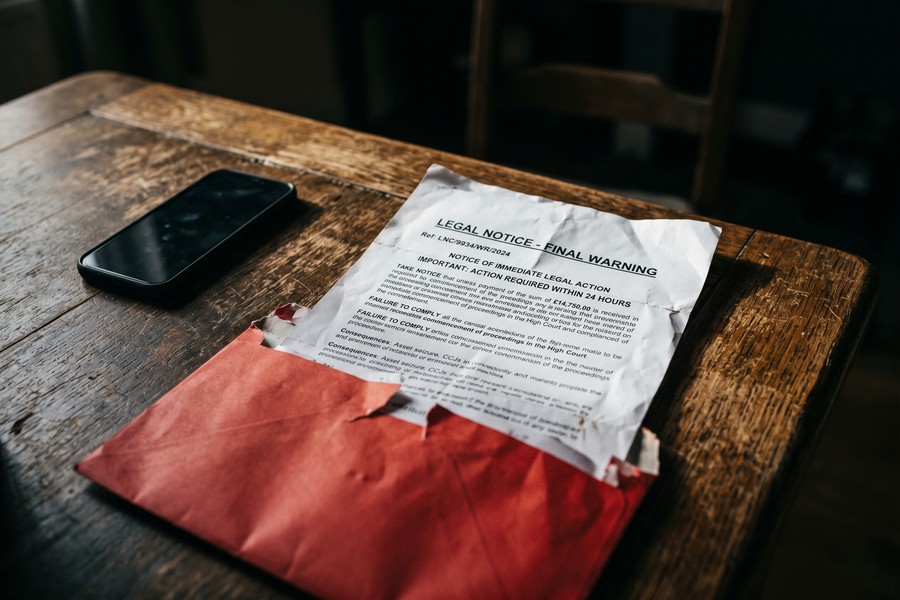
During the period when you stop paying creditors, which can last 12–36 months, your credit score will drop significantly and you may face lawsuits. Creditors are not legally required to settle, and many will pursue collection action instead. Any forgiven debt over $600 is reported to the IRS on Form 1099-C and is generally considered taxable income.
Many debt settlement companies make promises they cannot keep. The FTC warns that some firms collect fees for months before settling any accounts, and some never settle at all. Always verify a company’s accreditation through the American Fair Credit Council (AFCC) before enrolling.
Step 2: How Does Bankruptcy Work and What Are My Options?
Bankruptcy is a federal legal process governed by Title 11 of the U.S. Code that allows individuals to either eliminate or reorganize their debt under court supervision. For most consumers, the two relevant chapters are Chapter 7 (liquidation) and Chapter 13 (reorganization).
How to Do This
Chapter 7 bankruptcy discharges most unsecured debt within 3–6 months. To qualify, you must pass the means test: your income must fall below your state’s median or your disposable income must be insufficient to repay debts. According to the U.S. Courts, Chapter 7 is the most common personal bankruptcy filing.
Chapter 13 bankruptcy lets you keep assets like your home while repaying a portion of your debts over a court-approved 3–5 year plan. It’s suited for people with regular income who are behind on a mortgage or have assets they want to protect. Both chapters require credit counseling from an approved agency within 180 days before filing.
What to Watch Out For
Not all debts are dischargeable in bankruptcy. Student loans, child support, alimony, recent tax debts, and criminal fines generally survive bankruptcy. If your primary debt burden comes from these categories, bankruptcy may provide less relief than expected. You also cannot file Chapter 7 again for 8 years after a previous Chapter 7 discharge.
Filing for bankruptcy triggers an automatic stay, an immediate legal injunction that stops all creditor collection efforts, including phone calls, lawsuits, repossessions, and wage garnishments. Debt settlement offers no equivalent legal protection.
Step 3: Which Hurts Your Credit More, Debt Settlement or Bankruptcy?
Both debt settlement and bankruptcy cause significant credit damage, but bankruptcy, particularly Chapter 7, creates a longer-lasting mark on your credit report. That said, if your credit is already severely damaged from missed payments, the practical difference in score impact may be smaller than you expect.
How to Do This
A settled account appears on your credit report as “settled for less than the full amount,” which is a negative mark. Settlements stay on your report for 7 years from the date of first delinquency. Chapter 7 bankruptcy stays on your credit report for 10 years, while Chapter 13 stays for 7 years, according to CFPB guidelines on credit reporting.
A FICO score drop from bankruptcy can range from 130–240 points for someone who started with good credit, according to FICO’s own published models. Debt settlement causes a smaller immediate drop, but the prolonged period of missed payments during negotiation can add up to similar total damage.
What to Watch Out For
Many people underestimate how damaged their credit already is before they begin either process. If you’ve already missed payments for six months or more, your score has likely fallen dramatically. In that context, understanding what a good credit score means and how to rebuild one becomes more relevant than comparing which option damages your score more.
According to FICO, someone with a 780 credit score can expect their score to drop to approximately 540–560 after a Chapter 7 bankruptcy filing, a loss of more than 200 points that takes years to reverse.
| Factor | Debt Settlement | Chapter 7 Bankruptcy | Chapter 13 Bankruptcy |
|---|---|---|---|
| Credit Report Duration | 7 years | 10 years | 7 years |
| Typical Score Drop | 75–150 points | 130–240 points | 100–200 points |
| Process Timeline | 2–4 years | 3–6 months | 3–5 years |
| Debt Reduction | 40–60% of balance | 100% of eligible debt | Partial repayment plan |
| Legal Protection | None | Automatic stay | Automatic stay |
| Taxable Forgiven Debt | Yes (IRS Form 1099-C) | No | No |
| Attorney Required | No | Recommended | Required (practical) |
| Typical Cost | 15–25% of enrolled debt | $1,000–$3,500 in fees | $3,000–$6,000 in fees |
The comparison above illustrates that debt settlement vs bankruptcy is not a simple “better or worse” question. It’s a question of which trade-offs match your specific goals and financial position.

Step 4: What Does Each Option Actually Cost?
The true cost of debt settlement vs bankruptcy goes well beyond attorney fees. It includes forgone interest savings, tax liability, and the opportunity cost of years spent with damaged credit. Understanding the full financial picture is essential before you commit to either path.
How to Do This
For debt settlement, companies typically charge 15–25% of your total enrolled debt as their fee. On a $30,000 debt load, that’s $4,500–$7,500 in fees alone, before accounting for any tax liability on forgiven amounts. If you settle $30,000 down to $15,000, the IRS may consider the $15,000 forgiven as taxable income unless you qualify for the insolvency exclusion under IRS Topic 431.
Chapter 7 bankruptcy costs include a $338 court filing fee (as of 2025) plus attorney fees typically ranging from $1,000–$2,500 depending on complexity and location. Chapter 13 is more expensive, with attorney fees commonly running $3,000–$6,000 because of the ongoing plan administration. Discharged debt in bankruptcy is not taxable, which is a significant financial advantage over settlement.
What to Watch Out For
Many debt settlement companies front-load their fees, meaning a large portion is collected in the early months before any accounts are settled. If you drop out of the program, which many people do, you may owe fees without having received any benefit. Always read the contract terms carefully and ask for a full fee disclosure before signing anything.
If you qualify for the insolvency exclusion (your total liabilities exceed your total assets at the time of settlement), you can exclude forgiven debt from taxable income. File IRS Form 982 with your tax return. A CPA or tax attorney can help you calculate whether you qualify, this one step can save thousands in tax liability.
Step 5: Should I Choose Debt Settlement or Bankruptcy for My Situation?
The right choice between debt settlement and bankruptcy depends on four key factors: the type of debt you carry, your income level, whether you have assets to protect, and how urgently you need relief from collection actions. Neither option is universally better, but one is almost always more appropriate for your specific circumstances.
How to Do This
Choose debt settlement if: Your debt is primarily unsecured (credit cards, medical bills), your income is too high to qualify for Chapter 7, you want to avoid the public record of bankruptcy, and you can realistically afford to make monthly deposits into a settlement savings account for 2–4 years.
Choose Chapter 7 bankruptcy if: You have little to no assets, your income is at or below your state’s median, you need immediate legal protection from lawsuits or garnishments, and you want a clean slate within 6 months. You can check your state’s median income threshold at the U.S. Trustee Program’s means test page.
Choose Chapter 13 bankruptcy if: You’re behind on a mortgage and want to save your home, you have regular income but can’t repay everything at once, or you have non-dischargeable debts you want to manage within a structured plan. Before making this call, it’s also worth reviewing whether a disciplined debt payoff strategy like the avalanche or snowball method could eliminate your debt without legal intervention.
What to Watch Out For
Avoid making this decision based solely on which option sounds less frightening. Many people choose debt settlement over bankruptcy because of the stigma associated with filing, and end up spending 3 years in a settlement program that fails, leaving them in a worse position than if they had filed initially. Consult a nonprofit credit counselor (accredited by the National Foundation for Credit Counseling, or NFCC) or a bankruptcy attorney before deciding.
According to Leslie Tayne, J.D., founder and lead attorney of Tayne Law Group, P.C. and author of “Life and Debt,” the most common mistake she sees is people waiting too long to consult a bankruptcy attorney because they view it as a last resort. In many cases, bankruptcy is actually the faster, cheaper, and more complete solution, especially when someone is already being sued by a creditor.
Step 6: Are There Alternatives to Debt Settlement and Bankruptcy I Should Try First?
Before committing to debt settlement or bankruptcy, explore whether a less damaging alternative could resolve your situation. Many people qualify for options that don’t appear on their credit report as a settlement or bankruptcy, and those options should always come first if they’re viable.
How to Do This
The most accessible alternatives include nonprofit debt management plans (DMPs), offered through agencies like Money Management International or GreenPath Financial Wellness. DMPs consolidate your unsecured debts into one monthly payment, often with reduced interest rates, sometimes as low as 6–8%, negotiated directly with creditors. They typically last 3–5 years and do not result in a settlement notation on your credit report.
Another option is a personal consolidation loan, which replaces multiple high-rate debts with a single lower-rate loan. If your credit is still intact enough to qualify, this can be an effective strategy. Understanding how to create a step-by-step plan to pay off credit card debt can help you determine whether consolidation is a realistic path before your credit deteriorates further.
For those whose debt stems from runaway spending patterns, starting with a structured monthly budget can sometimes reveal enough monthly surplus to begin aggressive payoff, without any of the credit consequences of settlement or bankruptcy.
What to Watch Out For
Not all “debt relief” services are legitimate. For-profit companies that promise to negotiate debts without a track record, upfront fee disclosures, or AFCC accreditation should be avoided. Always verify any company through the Consumer Financial Protection Bureau (CFPB) or your state attorney general’s office before enrolling. If rebuilding credit is a priority after resolving debt, reviewing strategies for building credit from scratch will give you a clear roadmap for what comes next.
A free consultation with an NFCC-member nonprofit credit counselor is required before filing for bankruptcy anyway. Use it to get an honest outside assessment of all your options, including whether a debt management plan could work before you pursue more drastic measures.

Frequently Asked Questions
Can I settle my debt for less than I owe without using a settlement company?
Yes, you can negotiate directly with creditors yourself, and many financial experts recommend it to avoid settlement company fees of 15–25% of enrolled debt. Call your creditor’s hardship or collections department, explain your situation, and offer a lump sum of 40–50% of the balance. Get any agreement in writing before sending payment. The process requires patience, but DIY settlement avoids the fees and program dropout risks associated with third-party companies.
Will bankruptcy wipe out my student loans?
In almost all cases, no. Federal and private student loans are not dischargeable in bankruptcy unless you can prove “undue hardship” through a separate legal proceeding called an adversary proceeding, a high bar that requires demonstrating you cannot maintain a minimal standard of living while repaying the loans. Only a small fraction of filers successfully discharge student loans this way. If student loans are your primary burden, income-driven repayment plans or Public Service Loan Forgiveness may be more effective tools.
How long after debt settlement can I buy a house?
Most mortgage lenders require a waiting period of 2–4 years after a settled account before approving a home loan, depending on the loan type and how many accounts were settled. FHA loans may be available sooner if you can demonstrate rebuilt credit. By contrast, Chapter 7 bankruptcy carries a waiting period of 2–4 years for conventional loans and just 2 years for FHA loans after discharge, meaning bankruptcy’s recovery timeline for homeownership is often comparable to settlement.
What happens to my credit cards when I file for bankruptcy?
All credit card accounts included in your bankruptcy will be closed by the lenders, typically within days of filing. You generally cannot keep a credit card account open even if you want to continue using it. After discharge, secured credit cards or credit-builder loans are the standard starting points for rebuilding credit. Most bankruptcy filers can qualify for a basic secured card within 12–18 months of their discharge.
Is debt settlement taxable? How does the IRS treat forgiven debt?
Yes, in most cases forgiven debt is taxable. The IRS treats cancelled debt over $600 as ordinary income, reported to you on IRS Form 1099-C. For example, if a creditor forgives $10,000 of your balance, you may owe income tax on that amount. The key exception is the insolvency exclusion: if your total liabilities exceeded your total assets at the time of settlement, you can exclude some or all of the forgiven amount from income using IRS Form 982. Discharged debt in bankruptcy is never taxable.
Can creditors sue me while I’m in a debt settlement program?
Yes, and it’s a serious risk. During a debt settlement program, you stop paying creditors, which can trigger lawsuits and wage garnishment after your accounts become significantly delinquent. Settlement companies cannot legally stop these lawsuits. Bankruptcy, on the other hand, triggers an automatic stay the moment you file, which legally halts all collection lawsuits, garnishments, and repossessions. If you’re already being sued by a creditor, bankruptcy may be the only realistic option for immediate relief.
Do I need a lawyer to file for bankruptcy?
Legally, you can file “pro se” (without an attorney), but it’s strongly discouraged, especially for Chapter 13. A single procedural error can result in your case being dismissed, and you’ll lose your filing fee. Chapter 7 attorney fees typically run $1,000–$2,500, which most bankruptcy attorneys allow you to pay in installments. Many offer free initial consultations. The cost of professional guidance is almost always worth it given the legal complexity involved.
What is the difference between Chapter 7 and Chapter 13 bankruptcy in simple terms?
Chapter 7 is a “fresh start” bankruptcy that eliminates most unsecured debt within 3–6 months but may require you to liquidate non-exempt assets. Chapter 13 is a “reorganization” bankruptcy where you keep your assets but must follow a court-approved repayment plan for 3–5 years. Chapter 7 requires passing an income means test; Chapter 13 requires demonstrating regular income sufficient to fund a repayment plan. For most people with limited income and few assets, Chapter 7 is the faster and simpler option.
How do I know if debt settlement or bankruptcy is right for my amount of debt?
As a general rule, debt settlement becomes practical when you have $7,500–$100,000 in unsecured debt and can realistically fund a savings account while living off less income for 2–4 years. Bankruptcy tends to make more sense when debt exceeds your realistic ability to repay over any timeframe, you’re facing active lawsuits or garnishments, or your income qualifies you for Chapter 7. The debt settlement vs bankruptcy decision should always involve a free consultation with a nonprofit credit counselor or bankruptcy attorney, not a for-profit debt relief company with a financial incentive to enroll you.