Fact-checked by the Prime Rate editorial team
Quick Answer
Credit cards cost more when you carry a balance month to month, with average APRs above 21%. Buy now pay later costs more when you miss payments, juggle multiple plans, or choose longer-term BNPL financing at rates up to 36% APR. For consumers who pay their balance in full every month, a credit card is almost always the better financial tool: it builds credit, earns rewards, and provides federal consumer protections that BNPL products largely lack.
At checkout, the choice looks straightforward. Split a $200 purchase into four interest-free payments, or put it on a credit card. Millions of Americans make that call every day without running the numbers first. The financial consequences, it turns out, are far from trivial.
The Consumer Financial Protection Bureau found that BNPL loan originations grew from 16.8 million in 2019 to 180 million in 2021, a tenfold increase in just two years. Americans collectively carry over $1.13 trillion in credit card debt as of early 2024, according to the Federal Reserve. The average credit card interest rate now exceeds 21% APR, the highest in recorded history. These two debt products are colliding in consumers’ wallets at precisely the worst possible time.
This guide cuts through the marketing noise. You’ll get a side-by-side breakdown of real costs, hidden fees, credit score impacts, and consumer protections. By the end, you’ll know exactly which payment method costs you more, when each one makes sense, and how to avoid the traps that drain your wallet without you noticing.
Key Takeaways
- The average credit card APR hit 21.59% in 2024, carrying a $1,000 balance for 12 months costs roughly $215 in interest alone.
- BNPL late fees typically range from $7 to $34 per missed payment, and some providers charge fees on up to 25% of transactions.
- BNPL users are 3x more likely to be overextended borrowers compared to non-users, according to the CFPB’s 2023 report.
- Only 1 in 3 BNPL providers report on-time payments to credit bureaus, meaning you build zero credit history on most plans.
- Federal protections under the Truth in Lending Act apply to credit cards; most BNPL products have no equivalent federal consumer safeguard.
- Americans spent over $75 billion via BNPL services in 2023, with Affirm, Klarna, and Afterpay controlling the majority of market share.
In This Guide
- How Each Payment Method Actually Works
- The True Cost Comparison: Interest, Fees, and Hidden Charges
- Credit Score Impact: Who Wins and Who Loses
- Consumer Protections and Dispute Rights
- The Psychology of Spending: Which Leads to More Debt
- Rewards, Perks, and Added Value
- When to Use Each: Smart Scenarios and Red Flags
- Buy Now Pay Later vs Credit Card in Specific Situations
- Regulation and the Future of BNPL
How Each Payment Method Actually Works
Before comparing costs, you need to understand the mechanics. These two products are built on different financial models, and those differences have real consequences for your wallet.
How Buy Now Pay Later Works
Buy now pay later (BNPL) services like Affirm, Klarna, Afterpay, and Zip offer short-term installment loans at the point of sale. The most common structure is “Pay in 4”: four equal payments spread over six weeks, with the first payment due at checkout.
Approval typically takes seconds and requires only a soft credit check. There’s no formal application, no hard inquiry on your credit report, and often no interest on the basic “Pay in 4” plans. Longer-term BNPL loans (six to 48 months) do carry interest, sometimes as high as 36% APR.
The business model relies on merchant fees, not consumer interest. Retailers pay BNPL providers a transaction fee, typically 2% to 8% of the purchase price, to offer the service. That’s how the “interest-free” model sustains itself.
How Credit Cards Work
Credit cards are revolving lines of credit issued by banks and credit unions under federal regulation. You can charge up to your credit limit and pay any amount between the minimum payment and the full balance each month.
Pay your full statement balance by the due date, and you pay zero interest. Carry a balance, and interest accrues on the remaining amount at your card’s APR, currently averaging over 21% for new offers according to Federal Reserve consumer credit data.
Heavily regulated under the Credit CARD Act of 2009, the Truth in Lending Act (TILA), and the Fair Credit Billing Act (FCBA), these products carry mandatory requirements around clear disclosure, dispute rights, and caps on certain fees.
There are over 175 million credit cardholders in the United States, roughly 66% of all adults. By contrast, approximately 50 million Americans used a BNPL service at least once in 2023.
| Feature | Buy Now Pay Later | Credit Card |
|---|---|---|
| Approval Process | Instant soft check | Hard credit inquiry |
| Repayment Structure | Fixed installments | Revolving, flexible |
| Interest (Standard) | 0% on Pay in 4 | 21%+ APR on balances |
| Interest (Extended) | 10–36% APR | 15–30%+ APR |
| Federal Regulation | Minimal | Extensive (TILA, FCBA) |
| Credit Reporting | Inconsistent | Always reported |
The True Cost Comparison: Interest, Fees, and Hidden Charges
The headline “interest-free” claim from BNPL providers is technically accurate for Pay in 4 plans. It’s also only part of the story. When you dig into the full fee picture, the cost comparison changes considerably.
Credit Card Interest Costs: The Real Math
At a 21.59% APR, carrying a $500 balance for one full year costs about $108 in interest. A $2,000 balance costs roughly $432 per year, just to stand still. Minimum payment traps make this dramatically worse: paying only the minimum on a $2,000 balance at 21.59% APR takes over 17 years to pay off and costs more than $3,000 in total interest.
Annual fees range from $0 to $695 for premium cards. On top of that, issuers charge foreign transaction fees (typically 1–3%), cash advance fees (3–5% plus a higher APR), and balance transfer fees (3–5%). For consumers who carry balances, these stack directly on top of interest charges.
The average American household carrying credit card debt pays approximately $1,380 per year in interest charges alone, based on an average balance of $6,380 at 21.6% APR.
BNPL Fee Structures: What the Fine Print Says
While Pay in 4 carries no interest, BNPL late fees are where costs pile up fast. Afterpay charges up to $8 per late payment, capped at 25% of the order value. Klarna charges a $7 late fee. Affirm does not charge late fees, but reports missed payments to credit bureaus, which can damage your score.
Longer BNPL plans are another story entirely. Affirm’s monthly installment loans carry APRs ranging from 0% to 36%, depending on your creditworthiness and the merchant agreement. A $800 purchase on a 12-month Affirm plan at 20% APR costs $88.68 in interest, nearly as much as a credit card would charge.
The CFPB also flagged that some BNPL providers charge account inactivity fees, returned payment fees of $10 to $30, and membership fees for premium tiers. These are rarely disclosed prominently at checkout.
BNPL apps are designed to be frictionless. That ease of use is also a financial trap: users average 3.5 active BNPL loans simultaneously, making it easy to lose track of total obligations and trigger multiple late fees in a single month.
| Cost Type | Buy Now Pay Later | Credit Card |
|---|---|---|
| Standard Interest | 0% (Pay in 4) | 21.59% average APR |
| Extended Plan Interest | 10–36% APR | Same APR as standard |
| Late Fee | $7–$34 | Up to $41 |
| Annual Fee | Rare | $0–$695 |
| Cash Advance Fee | N/A | 3–5% + higher APR |
| Returned Payment Fee | $10–$30 | Up to $41 |
The Hidden Cost: Impulse Overspending
Research from the CFPB’s 2023 BNPL report found that BNPL users are significantly more likely to be financially distressed than non-users. This isn’t coincidental. The friction-free approval process removes the psychological “brake” that higher-cost credit naturally applies.
Studies show BNPL users spend 10–40% more per transaction compared to paying in full. That extra spending doesn’t come from nowhere: it often comes out of next month’s budget, setting up a cascading shortfall that feels impossible to escape.
What Merchants Pay (And Why It Matters to You)
Retailers pay BNPL providers 2% to 8% of every transaction processed through their platform. That fee is baked into the product’s retail price for everyone, including cash and credit card buyers. In other words, consumers who don’t use BNPL are subsidizing those who do through marginally higher prices across the board. This is a structural dynamic that rarely surfaces in BNPL marketing, but it’s been noted in CFPB research and consumer advocacy literature.
Credit card interchange fees work similarly: merchants pay 1.5% to 3% per transaction, and those costs are embedded in retail pricing. Neither payment network is “free” to the broader economy. The difference is that credit card users often capture a portion of that interchange back through rewards programs, while BNPL users typically capture nothing.
Credit Score Impact: Who Wins and Who Loses
One of the most consequential differences in the buy now pay later vs credit card debate involves your credit score. The two products treat your credit profile in different ways.
Credit Cards and Your Score
Every credit card account is reported monthly to all three major credit bureaus: Equifax, Experian, and TransUnion. Your payment history, the single largest factor at 35% of your FICO score, is captured in full. Responsible use actively builds credit over time.
Credit utilization, the second-largest factor at 30% of your FICO score, measures how much of your available credit you’re using. Keeping utilization below 30%, and ideally below 10%, is one of the fastest ways to boost your credit score. If you want to understand what a strong score looks like and what doors it opens, our guide on what constitutes a good credit score explains the full range and its benefits.
The flip side: high utilization or missed payments can significantly damage your score. A single 30-day late payment can drop your score by 60 to 110 points, depending on your starting point.
FICO scores are used in over 90% of lending decisions in the United States. A score difference of just 50 points can mean the difference between a 6.5% and an 8.5% mortgage rate, adding tens of thousands of dollars to the total cost of a home.
How BNPL Affects Your Credit
The credit reporting picture for BNPL is chaotic and inconsistent. As of 2024, Affirm reports all loan activity to Experian. Klarna reports to credit bureaus only for longer-term financing plans. Afterpay reports to no major bureau for its Pay in 4 product.
This inconsistency cuts both ways. Pay on time with a provider that doesn’t report, and you get no credit-building benefit. Miss a payment with one that does report, and you absorb the full penalty to your score. You can end up with all the risk and none of the reward.
The CFPB has recommended standardized credit bureau reporting for BNPL products. Until regulation catches up, consumers are essentially flying blind on how their BNPL usage affects their credit profile. If you’re actively trying to establish credit history, our step-by-step article on how to build credit from scratch walks through the most effective strategies.
The Utilization Blind Spot
There’s a subtler credit score issue with BNPL that most guides overlook. Because BNPL loans are installment products rather than revolving credit lines, they don’t factor into your credit utilization ratio the same way a credit card balance does. That sounds like a benefit, and in some narrow cases it is. But it also means that borrowing $1,200 across three active BNPL plans is invisible to lenders evaluating your revolving debt exposure. This invisibility is part of why BNPL users are more likely to be simultaneously overextended in ways that a traditional credit check wouldn’t reveal.

Consumer Protections and Dispute Rights
This is the area where credit cards win decisively. BNPL’s structural weakness here poses real financial risk to consumers, and the gap is wider than most people realize.
Federal Protections on Credit Cards
Under the Fair Credit Billing Act, credit card holders have the right to dispute unauthorized charges and billing errors. If you never received a product, if it was defective, or if a merchant charged you incorrectly, you can initiate a chargeback through your card issuer.
The card issuer is required to investigate the dispute within two billing cycles and cannot charge interest on the disputed amount while it’s under review. This protection is legally enforceable. Merchants know it, which is why credit card purchases often receive better customer service than other payment methods.
The Credit CARD Act of 2009 also requires 45 days’ notice before interest rate increases, bans retroactive rate hikes on existing balances, and mandates clear disclosure of how long it takes to pay off a balance using minimum payments.
Where BNPL Falls Short on Protections
BNPL providers are not currently classified as credit card issuers under federal law. That means the FCBA does not apply. Buy a couch using Afterpay and it arrives broken, and getting a refund credited to your BNPL account (with installment payments paused in the meantime) depends entirely on the provider’s own policies, not federal law.
The result is a patchwork of corporate policies with no uniform standard. Klarna offers purchase protection in some cases. Affirm largely defers to merchant return policies. Afterpay advises users to contact the merchant first, with no guarantee of pausing scheduled payments during a dispute.
The National Consumer Law Center has documented this gap in detail, noting that consumers caught between a merchant and a BNPL provider often find neither party willing to take full responsibility for resolving a problem purchase. That gap in accountability is a structural feature of how BNPL is currently regulated, not an occasional edge case.
Some states have begun addressing this directly. California’s Department of Financial Protection and Innovation has required BNPL providers to obtain lending licenses. Federal-level protection remains absent, leaving most consumers without the safety net they assume they have.
The Psychology of Spending: Which Leads to More Debt
Beyond the numbers, behavioral economics reveals something important: how we pay changes how much we spend. Both BNPL and credit cards exploit psychological tendencies, just in different ways.
The BNPL Effect on Purchase Behavior
BNPL transforms a $200 purchase into “just $50 today.” That mental reframing is intentional and powerful. Research published in the Journal of Consumer Psychology found that installment framing reduces the perceived pain of payment by up to 40% compared to lump-sum payment.
Reduced pain of payment leads directly to higher spending. Merchants don’t offer BNPL out of generosity: they offer it because it increases average order values. Retailers like Peloton saw average order values jump 75% after introducing BNPL at checkout.
According to a 2023 LendingTree survey, 57% of BNPL users regretted at least one purchase made with the service. Among those earning under $50,000, the regret rate jumped to 69%.
Credit Card Debt Accumulation Patterns
Revolving credit creates a different psychological trap: the illusion that a rolling balance is manageable because there’s no fixed payoff date. Because the balance rolls over month to month, spending feels less consequential in the moment. Research by Drazen Prelec and Duncan Simester showed that people willingly pay up to 100% more for items when paying by credit card versus cash, a phenomenon they called the “credit card premium.”
Rewards programs compound this effect. Earning points or cashback makes every purchase feel like a win, which makes it psychologically easier to justify overspending. The average rewards credit card user spends 12–18% more per month than users of non-rewards cards, according to studies cited by the Federal Reserve Bank of Boston.
Managing both tools requires intentional budgeting. Whether you’re using BNPL, credit cards, or a combination of both, keeping spending aligned with income is non-negotiable. Our guide on how to create a monthly budget that actually works provides a practical framework for doing exactly that.
How Cognitive Load Contributes to Debt
There’s a third psychological factor that gets less attention than it deserves: cognitive load. Tracking multiple BNPL payment dates across different providers, at different amounts, on different days of the month, is genuinely difficult. Behavioral economists call this “task overload,” and research consistently shows that when financial management becomes cognitively demanding, people make more errors, miss more payments, and accumulate more debt.
For all their flaws, credit cards consolidate your payment obligations. One statement, one due date, one issuer to call if something goes wrong. For someone managing a tight budget, that simplicity has real financial value.
Rewards, Perks, and Added Value
On this dimension, credit cards have no serious competition. The rewards ecosystem built around them represents billions of dollars in genuine consumer value, provided you use it responsibly.
The Value of Credit Card Rewards
The top cashback credit cards return 1.5% to 6% on purchases. The Chase Sapphire Preferred earns 3x points on dining and 2x on travel. The Citi Double Cash returns 2% on everything. Premium travel cards like the American Express Platinum offer credits worth $1,500 or more per year, though they carry annual fees of $695 to match.
Welcome bonuses represent another major source of value. The average sign-up bonus on major travel cards is worth $500 to $1,000 in travel redemptions when you meet the minimum spending requirement. Sophisticated cardholders harvest these bonuses systematically.
Beyond rewards, premium credit cards offer purchase protection (covering theft or accidental damage for 90–120 days), extended warranty benefits (adding one to two years to manufacturer warranties), trip cancellation insurance, rental car coverage, and airport lounge access. For frequent travelers, these benefits can be worth thousands of dollars per year.
What BNPL Offers in Return
Most BNPL providers offer no rewards, no cashback, and no purchase protection beyond their standard return policies. Some providers, like Klarna, have introduced a rewards program in recent years, but the value is a fraction of what competitive credit cards deliver.
The one genuine advantage BNPL offers is structured repayment. If you struggle with discipline when a revolving credit line is available, the fixed payment schedule of BNPL removes the temptation to carry a balance indefinitely. That forced structure has real value for certain financial personalities, even if it comes without rewards.

When to Use Each: Smart Scenarios and Red Flags
Neither product is inherently good or bad. The right choice depends on your financial situation, spending habits, and the specific purchase you’re making.
When BNPL Makes Sense
BNPL can be a genuinely useful tool in specific circumstances. If you need to spread a necessary expense over six weeks without access to a credit card, or if you want to preserve your credit utilization ratio before a major loan application, a zero-interest Pay in 4 plan is a reasonable choice.
It also makes sense for consumers with poor or limited credit who can’t qualify for a credit card with a reasonable APR. BNPL approval rates are higher, and a 0% short-term installment is far cheaper than a high-APR subprime credit card.
The key constraint is this: BNPL only makes financial sense if you’re confident you can make every scheduled payment on time. The Pay in 4 model is unforgiving. Miss a payment and fees kick in immediately.
When Credit Cards Make Sense
For most consumers who can pay their balance in full each month, a credit card is the better default payment tool. You earn rewards on every purchase, build credit history, and enjoy federal consumer protections, all at zero cost if you avoid carrying a balance.
Large purchases where dispute protection matters deserve special attention: electronics, travel, home goods, and services from contractors or vendors with uncertain reliability. The chargeback right alone is worth far more than any BNPL convenience benefit.
If you’re considering a large purchase and aren’t sure you can pay the full balance within one billing cycle, look for a credit card with a 0% introductory APR promotion. Many cards offer 12 to 21 months at 0%, longer than any BNPL plan, plus all the consumer protections of a regulated credit product.
Red Flags for Both Products
For BNPL, the red flags are: using it for non-essential purchases, having more than two active plans at once, and choosing extended BNPL loans at interest rates above 15% when a credit card would cost the same or less. If you’re already struggling with credit card debt, adding BNPL obligations will almost certainly make things worse.
For credit cards, the red flags are: carrying a balance from month to month without a plan, using cards for everyday expenses when you can’t pay the statement in full, and applying for multiple cards in a short period (each hard inquiry reduces your score by 5–10 points). If you’re already carrying significant credit card debt, our guide on how to pay off credit card debt lays out a clear path forward.
Buy Now Pay Later vs Credit Card in Specific Situations
Matching the right payment tool to the right situation can save you money and protect you from risk. Here’s how the two compare across common purchase scenarios.
Retail and Fashion Purchases
BNPL is most heavily used in online retail, particularly fashion and apparel. This category also has the highest return rates in e-commerce, and returning items purchased through BNPL is notoriously complicated. Refunds to BNPL accounts can take 3 to 14 business days, during which scheduled payments may still process.
For fashion purchases, a cashback credit card is almost always the better choice. You earn rewards, you have clear dispute rights if a return goes wrong, and there’s no risk of juggling overlapping installment schedules across multiple orders.
Travel and Major Expenses
BNPL is largely incompatible with travel booking. Airlines, hotels, and car rental companies don’t accept BNPL as a payment method for most bookings. Even where it’s available, the lack of travel insurance and trip cancellation protection makes it a poor choice compared to a travel credit card.
For travel, credit cards aren’t just better: they’re often essential. Many credit cards automatically provide trip cancellation coverage worth $5,000 to $10,000 per trip, rental car insurance that replaces the expensive counter-offered coverage, and lost baggage reimbursement of $1,000 to $3,000.
| Purchase Scenario | Better Option | Reason |
|---|---|---|
| Small retail under $100 | Credit Card | Rewards + protection |
| Large retail, cash-tight | BNPL (Pay in 4) | 0% if paid on schedule |
| Travel booking | Credit Card | Travel insurance + acceptance |
| Medical expense | BNPL or 0% APR card | Spread cost without interest |
| Electronics | Credit Card | Extended warranty + dispute rights |
| Limited credit history | Secured card > BNPL | Builds credit; BNPL often doesn’t |
Medical and Healthcare Expenses
Medical bills are one area where BNPL has gained genuine traction, and for good reason. When an unexpected bill arrives, the ability to split it into four equal payments without interest is more useful than most people realize, particularly for patients who would otherwise put the balance on a high-APR credit card and pay interest for months.
That said, patients should always ask about the hospital or provider’s own payment plan first. Many healthcare systems offer no-interest installment plans directly, with no third-party BNPL provider involved, and no risk of late fees triggering on a separate billing cycle.
Regulation and the Future of BNPL
The regulatory picture for BNPL is shifting. Understanding where this industry is heading matters for anyone relying on these products as part of their financial toolkit.
Current Regulatory Status
In May 2024, the CFPB issued an interpretive rule clarifying that BNPL lenders offering digital user accounts are subject to portions of the Truth in Lending Act. This means providers must investigate disputes, issue refunds to accounts promptly, and provide periodic billing statements. It’s a meaningful step forward, but it doesn’t close every gap in consumer protection.
The rule specifically covers BNPL products that operate like credit card accounts, meaning the Pay in 4 model with a reusable spending account. One-time installment loans from Affirm with specific terms may fall outside this classification under some interpretations.
What Could Change for Consumers
If regulation passes requiring uniform credit bureau reporting, standardized dispute processes, and mandatory disclosure of total borrowing across providers, the product becomes significantly safer for consumers. It also becomes more visible to credit scoring models, which could either help or hurt borrowers depending on their payment behavior.
The major BNPL providers are also evolving their products. Affirm has launched a debit card. Klarna launched a credit card in the U.S. The lines between BNPL and traditional credit are blurring, which means the buy now pay later vs credit card question may look quite different in five years than it does today.
Apple Pay Later, Apple’s BNPL product, was discontinued in 2024 after less than a year in operation, citing complexity of the regulatory environment as a key factor. Even technology giants find navigating BNPL compliance difficult.
For consumers managing debt across multiple products, understanding how interest rate environments affect borrowing costs is also essential. When the Federal Reserve adjusts rates, credit card APRs follow. Our article on how the prime rate affects your credit card interest rates explains that relationship in full.
The National Consumer Law Center has been explicit on this point: the BNPL industry grew so fast that regulatory frameworks simply couldn’t keep pace. Consumers who understood the protection gap before regulators moved to close it paid a real price, in missed dispute rights, unexpected fees, and credit score damage that traditional credit products would not have allowed.
International Context: What the U.S. Can Learn
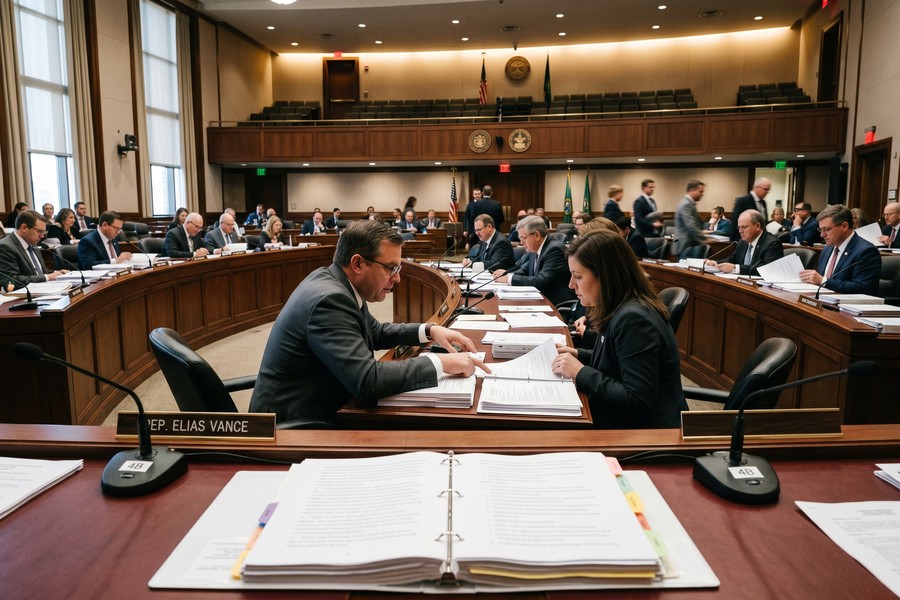
Several countries have moved ahead of the U.S. on BNPL regulation. The United Kingdom’s Financial Conduct Authority has been working toward bringing BNPL under formal consumer credit regulation since 2021, with requirements for affordability checks and clear disclosure. Australia’s Senate Economics Committee has also scrutinized BNPL debt accumulation patterns among young borrowers. These international developments suggest the U.S. regulatory trajectory is toward greater oversight, not less, which will likely improve consumer protections but may also narrow the availability of truly zero-cost BNPL plans as provider economics shift.
Real-World Example: How Jessica’s BNPL Habit Quietly Cost Her $1,400
Jessica, a 28-year-old marketing coordinator in Austin, Texas, started using BNPL to manage a tight month after moving costs depleted her savings. Her first purchase was a $240 chair from Wayfair, split into four payments of $60. Simple, painless. Over the next eight months, she added BNPL plans for a $180 skincare order, a $320 pair of boots, a $150 kitchen appliance, and a $400 laptop stand and accessories bundle. Each felt manageable in isolation.
By month nine, she had five active BNPL plans with payment dates scattered across the month. When an unexpected car repair hit her checking account, she missed two Afterpay payments and one Klarna payment in the same week. Late fees totaled $22. More seriously, her Klarna payments showed up on a credit check she wasn’t expecting, and the two missed payments had dropped her credit score from 692 to 641. That 51-point drop meant her car loan refinancing rate came in at 9.2% instead of the 7.1% she’d been quoted before. On a $14,000 loan balance, that difference costs her an extra $880 over three years.
After tracking everything in a budget spreadsheet for the first time, Jessica discovered she had spent $1,290 on BNPL purchases in eight months that she classified as non-essential. She had paid $22 in late fees directly. And she had lost $880 in higher loan costs due to the credit score impact, bringing her total BNPL-related cost to just over $1,400. Meanwhile, she had a cashback credit card in her wallet that she’d been avoiding because she was “scared of credit card debt.” That card would have earned her roughly $19 in cashback on those same purchases, charged her no fees, and protected every transaction under federal dispute law.
Jessica closed her BNPL accounts, committed to paying her credit card in full each month, and rebuilt her score to 718 within 14 months. She now treats her credit card as the default payment tool for any purchase she’s budgeted for and keeps an emergency fund in a high-yield savings account to buffer against unexpected expenses. The transformation wasn’t about willpower. It was about understanding which tool actually worked in her favor.
Your Action Plan
-
Audit your current BNPL and credit card balances
List every active BNPL plan: provider, balance remaining, payment dates, and any interest rate charged. Do the same for every credit card balance. You cannot make smart decisions without complete visibility into what you owe and to whom.
-
Calculate the true cost of each debt
For credit cards, multiply your balance by your APR divided by 12 to get your monthly interest charge. For BNPL plans with interest, calculate the total payments versus the original purchase price. For any BNPL plan where you’ve paid late fees, add those to the total cost. Compare these numbers side by side.
-
Close or pause BNPL plans you don’t need
If you have BNPL plans on non-essential purchases, consider whether you can pay them off early to eliminate the payment obligation. Early payoff is typically allowed without penalty. Reducing the number of active BNPL plans also reduces your risk of missing a payment date.
-
Check how your BNPL provider reports to credit bureaus
Contact each BNPL provider you use and ask directly whether they report to Equifax, Experian, and TransUnion, and what they report. If they report only missed payments rather than on-time ones, you’re bearing all the downside with none of the upside.
-
Establish a credit card payoff strategy
If you’re carrying credit card balances at 21%+ APR, tackling that debt is the single highest-return financial move available to you. Our guide on paying off debt using the snowball vs avalanche method explains the two most effective approaches, including which one saves more money mathematically.
-
Set a default payment rule for future purchases
Decide in advance which payment method you’ll use for which category of purchase. A simple rule: use your rewards credit card for anything you’ve budgeted for and can pay in full. Use BNPL only for planned, necessary purchases when a 0% installment plan genuinely serves your cash flow, and only when you have no more than one active plan.
-
Build an emergency fund to eliminate BNPL dependency
Most BNPL use is triggered by unexpected expenses or short-term cash flow gaps. A three to six-month emergency fund eliminates that trigger. If yours doesn’t exist yet, our guide on building a 6-month emergency fund gives you a step-by-step path to getting there.
-
Monitor your credit score monthly
Use a free credit monitoring service, such as Credit Karma, Experian, or your bank’s built-in tool, to track your score every month. Set alerts for any new accounts or derogatory marks. Catching a problem early, like an unexpected BNPL report, gives you time to dispute it or course-correct before the damage compounds.
Frequently Asked Questions
Does using BNPL hurt your credit score?
It depends entirely on the provider. Affirm reports all loan activity to Experian, meaning missed payments will appear on your credit report and damage your score. Afterpay’s Pay in 4 product does not report to any major bureau, so it neither helps nor hurts your credit, but it also builds no credit history. Klarna reports activity for longer-term financing plans. Before using any BNPL service, ask the provider directly about their credit reporting policy.
Is BNPL actually interest-free?
The standard Pay in 4 plan is genuinely interest-free: there is no APR charged on the four installments. However, BNPL providers also offer longer-term financing plans (3 to 48 months) that do carry interest, often ranging from 10% to 36% APR. You may be offered one of these plans instead of the standard option, particularly for larger purchases. Always check which plan you’re being offered before confirming.
Can you dispute a BNPL purchase if something goes wrong?
Unlike credit cards, BNPL providers are not required under federal law to resolve billing disputes, issue refunds, or pause payments during a dispute. The 2024 CFPB interpretive rule extended some TILA protections to BNPL products that operate like credit card accounts, which is a meaningful improvement. However, protections vary by provider and are less consistent than the federal chargeback rights you have with a credit card. For high-value purchases where quality matters, a credit card offers significantly stronger recourse.
Which is better for building credit: BNPL or a credit card?
A credit card is unambiguously better for building credit. Every credit card account is reported monthly to all three credit bureaus, contributing to payment history, credit utilization, and account age. Responsible use builds a strong credit profile over time. Most BNPL plans don’t report on-time payments at all. If building credit is your goal, a secured credit card or a credit-builder loan is far more effective than BNPL use.
What happens if I miss a BNPL payment?
Consequences vary by provider. Afterpay charges a late fee (up to $8, capped at 25% of the order value) and may pause your ability to use the service. Klarna charges a $7 late fee and may report the missed payment. Affirm charges no late fees but reports missed payments to Experian, which can damage your credit score. All providers may send the account to collections if it remains unpaid, which creates a significant negative mark on your credit report.
Is it bad to use both BNPL and credit cards at the same time?
Using both simultaneously significantly increases the complexity of managing your obligations and the risk of missing a payment. Each active BNPL plan adds a fixed payment commitment on a specific date. If you also carry a credit card balance with a minimum due, you’re juggling multiple financial obligations that don’t coordinate with each other. Research from the CFPB found that consumers with three or more active BNPL plans are significantly more likely to have overdraft incidents and missed payments across all accounts.
Are there situations where BNPL is clearly the better choice?
Yes. When you have limited or poor credit and need to spread an essential purchase over a few weeks, a 0% Pay in 4 plan is far better than a high-APR subprime credit card. It’s also useful if you want to preserve your credit card utilization ratio before a major loan application (though you should still be careful about BNPL providers that report). Outside those specific scenarios, a credit card paid in full monthly almost always delivers more value.
Do BNPL purchases show up in a credit check?
Soft credit checks used by BNPL providers at the time of approval do not appear on your credit report and do not affect your score. However, if the provider later reports your account activity (either positive or negative) to credit bureaus, that information becomes visible to lenders. In a hard credit inquiry scenario, such as applying for a mortgage or auto loan, lenders can see any reported BNPL accounts along with your credit card history.
What’s the maximum you should ever put on a BNPL plan?
There’s no universal rule, but financial advisors generally recommend limiting any single BNPL commitment to an amount you could cover with one paycheck if needed. More importantly, your total active BNPL obligations across all plans should never exceed 5–10% of your monthly take-home pay. Beyond that level, the fixed payment commitments start to crowd out your ability to handle unexpected expenses, which is what drove many BNPL users into financial difficulty in the first place.
How does the prime rate affect BNPL costs?
For Pay in 4 plans, the prime rate has no direct impact: the merchant absorbs the cost of offering zero-interest installments. For longer-term BNPL financing plans, rates are set at origination and typically don’t float with the prime rate. However, as the prime rate rises, BNPL providers may tighten their underwriting standards or increase the minimum APR they offer on financed products. The prime rate has a far more direct impact on credit card APRs, which are typically benchmarked as prime rate plus a fixed margin.
Can you use BNPL to buy gift cards or make cash-like purchases?
Most BNPL providers explicitly prohibit using their services to purchase gift cards, money orders, or other cash-equivalent products. Attempting to do so typically results in a declined transaction or account suspension. This restriction exists because those purchases bypass the merchant return and refund system that BNPL providers rely on to manage disputes and recover funds.
Does applying for BNPL affect your credit score?
For most Pay in 4 plans, the initial approval check is a soft inquiry, which does not affect your credit score. Longer-term BNPL financing (6 months or more) from providers like Affirm may involve a hard inquiry, which can lower your score by 5 to 10 points temporarily. If you’re planning a major credit application, such as a mortgage or car loan, avoid any new BNPL financing applications in the 90 days beforehand.
Before making any purchase over $200, spend 60 seconds doing the math on both options. If you can pay the credit card balance in full this month, use the card and earn rewards. If you genuinely cannot, and the item is essential, a 0% BNPL plan beats carrying a balance at 21% APR. Write the payment dates in your calendar the moment you click “confirm.”
Consumers who pay their credit card balance in full every month pay $0 in interest and earn an average of $260 per year in cashback or rewards value. That’s a $260 annual advantage over BNPL users who earn no rewards, before accounting for any BNPL late fees or credit score costs.
The buy now pay later vs credit card debate doesn’t have a single right answer, but it does have a right framework. Match the tool to your financial reality, always know the true cost of what you’re using, and never let the convenience of frictionless checkout override your long-term financial health. The goal isn’t to avoid credit. It’s to use it as a tool that works for you, not against you.
Sources
- Consumer Financial Protection Bureau, Buy Now Pay Later: Market Trends and Consumer Impacts
- Federal Reserve, Consumer Credit Outstanding (G.19 Statistical Release)
- Federal Reserve Bank of Boston, Credit Card Rewards and Consumer Spending Behavior
- Federal Reserve Bank of New York, Household Debt and Credit Report Q4 2023
- Consumer Financial Protection Bureau, Credit CARD Act Regulations (Regulation Z, Section 1026.52)
- FICO, Understanding What Affects Your FICO Score