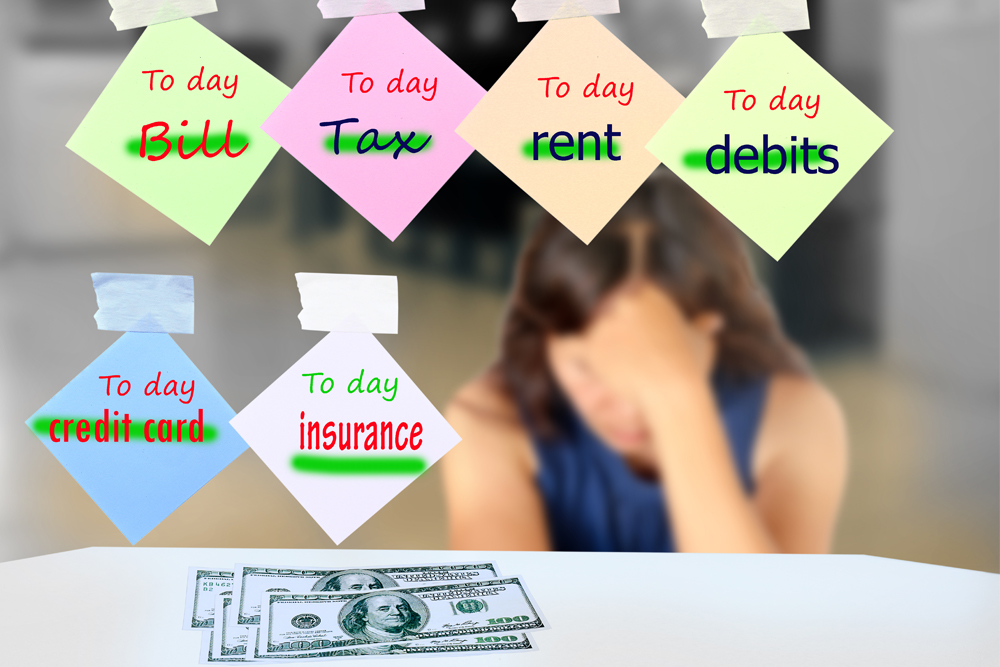
Budgeting advice often assumes stability. A predictable paycheck. Fixed expenses. Plenty of mental energy. Real life rarely follows that script, especially for U.S. millennials managing rising costs, shifting work arrangements, and constant digital spending prompts.
A budget that survives real life does not aim for precision. It aims for resilience. The most effective budgeting methods today accept irregularity, build in flexibility, and reduce the number of decisions required each month. This article explains how a modern budgeting approach works when expenses change, income fluctuates, and plans get disrupted.
Why Traditional Budgets Break Down
Many budgets fail within weeks. The problem usually starts with rigidity. Line-item budgets expect spending to follow the same pattern every month. Groceries exceed the estimate. A car repair appears. A social expense pops up. The budget “fails,” even though life simply happened.
Research cited by NerdWallet shows that people abandon budgets when they feel restrictive or unrealistic. Yahoo Finance reports similar patterns, noting that consumers often give up once a single category goes over plan. The issue is not discipline. The issue is design.
Start With Priorities, Not Categories
A flexible budget begins by identifying priorities rather than micromanaging every dollar. Certain expenses remain non-negotiable. Housing, utilities, food, transportation, insurance, and savings form the foundation.
Once these priorities are funded, the remaining money becomes flexible spending. This structure changes the role of the budget. Instead of policing every purchase, it sets boundaries that still allow choice.
This approach reduces guilt. Spending decisions occur within a defined limit rather than against an unrealistic spreadsheet.
The “Anchor Expenses” Framework
Anchor expenses represent financial commitments that rarely change month to month. Identifying them creates stability.
Common anchor expenses include:
- Rent or mortgage
- Utilities and internet
- Transportation costs
- Minimum debt payments
- Baseline savings contributions
After these anchors are covered, the rest of the budget absorbs variation. Dining out, entertainment, clothing, and travel fluctuate without breaking the plan.
BBC personal finance reporting highlights that consumers who budget around fixed anchors report higher adherence and lower stress. Anchors simplify planning without oversimplifying reality.
Savings Works Best as a Fixed Expense
Saving money often fails when treated as optional. Leftover money rarely exists at month’s end. Successful savers reverse the order.
High-yield savings accounts and automatic transfers support this behavior. According to Yahoo Finance, consumers who automate savings deposits are significantly more likely to meet annual savings targets.
Treating savings as an anchor expense shifts behavior without constant effort. The habit forms quietly. Spending adjusts naturally around what remains.
Flexibility Protects Consistency
A flexible budget allows categories to change without emotional penalty. Overspending in one area does not require abandoning the entire plan. Adjustments replace guilt.
This approach relies on ranges instead of fixed numbers. Groceries might fall within a range rather than a single limit. Social spending adapts month to month.
NerdWallet emphasizes that flexible budgets last longer than rigid ones. Flexibility reduces decision fatigue and supports long-term consistency.
Monthly Reviews Keep Budgets Alive
Budgets require feedback. Monthly reviews create a checkpoint that encourages reflection rather than judgment. Reviewing what happened clarifies patterns.
A review answers three simple questions:
- What went as planned?
- What changed unexpectedly?
- What needs adjustment next month?
This process turns budgeting into an evolving system. Each month improves the next. Small changes compound.
Digital Tools Reduce Friction
Modern budgeting relies heavily on technology. Budgeting apps, bank dashboards, and real-time alerts replace manual tracking. Automation handles routine work.
Yahoo Finance reports that app-based budgeting increases user engagement and retention. Visual progress reinforces behavior. Alerts prevent small issues from growing unnoticed.
Digital tools support budgets by removing memory from the process. Data replaces guesswork.
Handling Irregular Income
Many millennials work freelance, contract, or hybrid roles. Irregular income complicates traditional budgeting. A flexible approach accounts for variation.
Effective strategies include:
- Budgeting from the lowest expected monthly income
- Using surplus income to build buffers
- Separating business and personal accounts
Buffers smooth volatility. They protect anchor expenses during lean months. Surplus months strengthen stability rather than fueling lifestyle inflation.
This method prioritizes sustainability over optimization.
Emergency Funds Support Budget Stability
Unexpected expenses often derail budgets. Emergency funds absorb shocks without forcing debt or drastic cuts. NerdWallet recommends maintaining at least three months of essential expenses in reserve.
Emergency savings reduce reliance on credit cards and buy-now-pay-later services. They preserve momentum during disruptions.
Common Budgeting Mistakes to Avoid
Several patterns consistently undermine budgeting efforts:
- Over-categorizing expenses
- Ignoring irregular costs
- Adjusting the budget only after failure
Each mistake increases frustration. Simplification improves follow-through.
Looking Forward
Budgeting continues to evolve alongside financial technology. AI-driven insights, predictive cash-flow tools, and personalized recommendations are becoming more common. These tools help consumers anticipate issues before they occur.
Forward-looking budgets emphasize awareness and adjustment. Static plans struggle in dynamic environments.
Millennials benefit most from systems that respond quickly to change.
Conclusion
A budget that works when life gets messy prioritizes flexibility, clarity, and automation. It funds essentials first, treats savings as non-negotiable, and allows spending to vary without collapse.
For U.S. millennials navigating unpredictable costs and income patterns, budgeting succeeds when it adapts rather than resists. The strongest budgets evolve month by month, improving with use.
References
NerdWallet – How to Create a Budget You Can Stick With
https://www.nerdwallet.com/article/finance/how-to-budget
Yahoo Finance – Why Budgeting Fails and What Actually Works
https://finance.yahoo.com/personal-finance
BBC – Budgeting Strategies for Modern Households
https://www.bbc.com/worklife/personal-finance