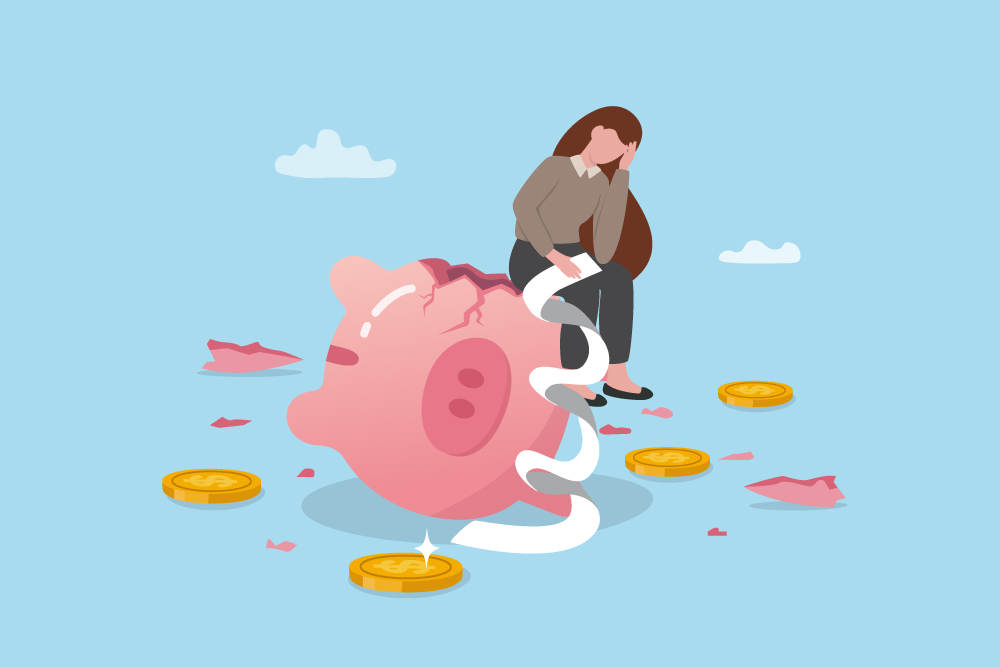
Economic anxiety has returned to everyday conversations. Rising interest rates, persistent inflation pressure, and slowing growth have pushed the idea of a recession back into public focus. For millennials in the United States, this moment feels familiar. Many entered adulthood during the Great Recession, built careers through a pandemic, and now face another period of uncertainty shaped by digital finance, fintech platforms, and data-driven services.
Personal finance today looks very different than it did fifteen years ago. Government services are increasingly online. Banks rely on algorithms. Consumer relationships with financial institutions now pass through apps, dashboards, and automated decision systems. Preparation for a downturn now requires both financial discipline and digital awareness.
This article focuses on practical steps consumers can take to protect stability, maintain access to services, and reduce risk in an economy that blends traditional finance with digital infrastructure.
Economic Signals Consumers Are Watching
Recession fears tend to grow in moments like this. News coverage highlights inverted yield curves, tighter credit conditions, and cautious corporate earnings guidance. According to Yahoo Finance, elevated interest rates and slowing consumer spending remain central concerns for economists tracking near-term growth risks. These conditions influence borrowing costs, job markets, and household budgets at the same time.
Millennials sit at a specific intersection of these pressures. Many carry student loan balances. Housing costs consume a larger share of income than in prior decades. Childcare and healthcare expenses add more strain. Digital convenience masks these pressures until stress appears suddenly.
Financial preparation begins with recognizing that recessions rarely arrive with clear start dates. Households that adapt early gain more flexibility. This flexibility depends on cash flow clarity, credit health, and service access rather than market timing.
Cash Flow Management in an App-Based Financial Life
Modern money management happens across platforms. Paychecks arrive through direct deposit. Bills auto-draft. Subscriptions renew silently. This structure saves time yet hides risk during economic slowdowns.
Consumers benefit from a deliberate review of monthly inflows and outflows. Bank aggregation tools can help track spending across accounts, though manual review still matters. NerdWallet notes that consumers who regularly monitor cash flow detect financial stress earlier and adjust faster than those who rely on balances alone.
Digital budgeting tools create visibility. They do not replace judgment. A stable budget during uncertain periods prioritizes liquidity over optimization. High-interest savings accounts offer modest returns while preserving access. Fintech apps often advertise higher yields, though users should confirm FDIC or NCUA coverage before relying on them.
Emergency savings deserve renewed attention. Many experts still recommend three to six months of essential expenses. That target can feel distant. Progress matters more than completion. Even small reserves reduce dependence on credit during income disruptions.
Credit, Debt, and Algorithmic Decision-Making
Credit access changes quickly during downturns. Lenders tighten standards. Automated underwriting systems adjust risk thresholds. Consumers with high balances or missed payments face compounding challenges.
Reducing high-interest debt remains one of the most reliable defensive moves. Credit card APRs have climbed alongside Federal Reserve rate hikes. BBC coverage of household finance trends highlights how variable-rate debt absorbs more income during high-rate cycles.
Debt reduction improves resilience in two ways. Monthly obligations shrink. Credit profiles strengthen. Strong credit profiles influence more than loans. They affect insurance pricing, rental approvals, and sometimes employment screenings.
Fintech lending platforms deserve extra scrutiny. Many rely on dynamic pricing models that respond to market conditions quickly. Promotional rates may expire faster than expected. Reviewing loan terms and repayment schedules protects against sudden payment increases.
Government-backed options can offer relief in specific cases. Federal student loan repayment programs and income-driven plans provide flexibility, though eligibility rules change through policy updates. Official government websites remain the most reliable source for current program details.
Employment Stability and Income Diversification
Job markets soften gradually. Layoffs often appear after economic conditions shift. Waiting for confirmation limits options.
Career preparation works best as a quiet process. Updating résumés, maintaining professional networks, and tracking transferable skills build readiness without alarm. Digital hiring platforms now filter candidates through automated systems, making keyword optimization and skill clarity more important.
Side income receives mixed reactions. For some households, it offers meaningful protection. For others, it adds complexity. The decision depends on capacity and stress tolerance. Even modest supplemental income can cover essential expenses during short disruptions.
Platform-based income brings its own risks. Payment delays, algorithm changes, and account suspensions occur with little notice. Diversification applies here as well. Relying on a single platform recreates the same vulnerability consumers try to avoid.
Digital Government Services and Consumer Access
Government services now play a larger role in household stability. Unemployment benefits, tax credits, healthcare subsidies, and disaster assistance rely heavily on online portals. Access issues can delay support at critical moments.
Consumers should confirm login credentials, update contact details, and store documentation securely. Multi-factor authentication improves security though it adds friction. Losing access during a crisis creates unnecessary stress.
Digital identity protection deserves attention. Financial stress periods see increased fraud attempts. Data breaches expose personal information that scammers exploit. Monitoring credit reports, freezing credit when appropriate, and using official communication channels reduce exposure.
Federal agencies continue expanding digital service delivery. These changes improve efficiency yet raise equity concerns for users with limited access or digital literacy. Staying informed about service updates helps consumers avoid missed benefits.
Investing, Regulation, and Long-Term Positioning
Market volatility often drives emotional decisions. Selling during downturns locks in losses. Consistent investing supports long-term outcomes for households with stable income.
Regulatory oversight matters here. The Securities and Exchange Commission continues monitoring digital asset platforms, robo-advisors, and fintech intermediaries. Regulatory clarity protects consumers by setting disclosure standards and custody rules.
Millennials face unique investment challenges. Retirement timelines feel distant. Housing competes with investing for capital. Digital platforms simplify entry, though simplicity can obscure risk. Understanding asset allocation remains essential even within automated portfolios.
Long-term planning during uncertain periods favors consistency. Automatic contributions, diversified holdings, and low fees matter more than prediction accuracy. Investors who maintain discipline tend to recover faster after downturns.
Practical Focus Areas for the Months Ahead
Preparation works best when it stays grounded. The following areas deserve regular attention during periods of economic uncertainty:
– Cash flow visibility, emergency savings progress, and high-interest debt reduction
– Digital access to financial accounts, government services, and identity protection tools
These priorities support stability regardless of whether a recession materializes fully.
A Forward-Looking View on Financial Resilience
Economic cycles will continue. Digital finance will deepen its role in daily life. Consumers who adapt their habits to this environment gain control without constant vigilance.
Financial resilience no longer depends only on income and spending discipline. It depends on access, security, and informed use of digital systems that shape modern money. Millennials already operate comfortably in this space. Applying that fluency to preparation creates an advantage.
Periods of uncertainty reward early, steady action. Preparation builds confidence long before headlines confirm outcomes.
References
1. Yahoo Finance – Economic outlook and recession indicators
2. NerdWallet – Personal finance guidance on budgeting, debt, and savings
3. BBC News – Coverage of household finances, inflation, and interest rates