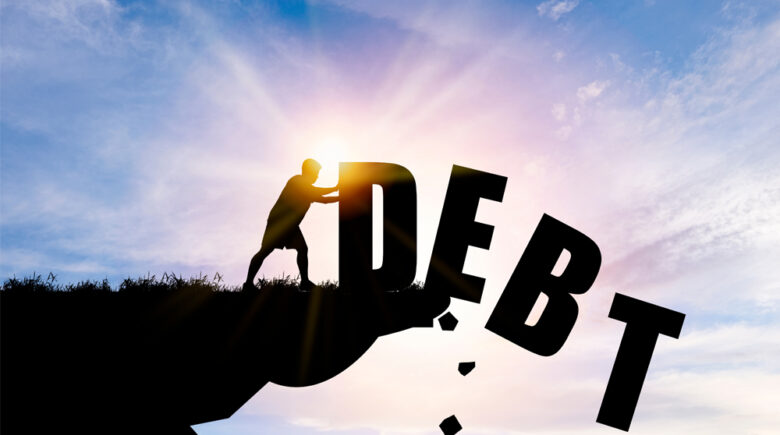
Debt can feel like a weight that never lifts. For millions of Americans — especially millennials juggling student loans, credit card balances, and rising living costs — the pressure to pay it all off fast can lead to exhaustion. But here’s the truth: sprinting toward debt freedom at the expense of your mental and physical health isn’t a win.
It’s a trade-off that often backfires. The real key is building a repayment strategy that’s firm but flexible. One that respects your energy, your timeline, and your humanity. In this article, we’ll explore how to tackle debt with intention — not desperation — so you can cross that finish line without burning out along the way.
Smart Debt Strategies That Protect Your Energy
Stop Treating Debt Payoff Like a Punishment
Too many people approach debt repayment like a crash diet. They slash every expense, cancel every subscription, and eat rice and beans for months. Then they snap. They binge-spend out of frustration. This cycle creates shame, which fuels more avoidance. A 2024 NerdWallet survey found that 74% of Americans feel anxious about their finances. That anxiety spikes when people adopt extreme measures they can’t sustain. The goal isn’t perfection. It’s consistency.
Instead, treat your debt payoff plan like a lifestyle shift. Keep a small budget for things that bring you joy. Maybe that’s a $20 monthly coffee fund or a streaming service. These aren’t luxuries — they’re pressure valves. They keep you sane. Financial therapists increasingly recommend this approach. You don’t have to suffer to succeed financially. You just need a plan you can actually follow.
Think of your energy as a finite resource. Every dollar decision costs mental bandwidth. When you simplify your system and allow breathing room, you make better choices. Automate payments where possible. Set calendar reminders. Remove friction. Protecting your energy isn’t laziness. It’s strategy.
Choose the Right Repayment Method for Your Personality
Not every debt strategy works for every person. The two most popular methods are the debt snowball and the debt avalanche. The snowball method targets your smallest balance first. The avalanche method targets the highest interest rate first. Mathematically, the avalanche saves more money. Psychologically, the snowball builds momentum faster. Neither is wrong.
Choose based on what motivates you. Do you need quick wins to stay engaged? Go snowball. Are you driven by logic and long-term savings? Go avalanche. The Consumer Financial Protection Bureau (CFPB) encourages consumers to evaluate both options. They also recommend contacting lenders directly to negotiate lower rates. Many people don’t realize this is even possible.
The best method is the one you stick with. Period. Don’t let personal finance influencers guilt you into a strategy that drains you. Your debt journey is personal. Customize it. Adjust it quarterly if needed. Flexibility isn’t failure — it’s intelligence.
Use Fintech Tools to Lighten the Load
Technology has made debt management far more accessible. Apps like YNAB (You Need a Budget), Tally, and Debt Payoff Planner help automate tracking. They send alerts, visualize progress, and reduce the mental effort of managing multiple balances. For millennials who grew up digital, these tools feel intuitive.
Some fintech platforms even negotiate with creditors on your behalf. Others consolidate payments into a single monthly bill. This kind of digital transformation in personal finance removes decision fatigue. It also reduces the chance of missed payments. According to a 2024 report from Yahoo Finance, fintech adoption among millennials grew by 23% year-over-year. That trend shows no signs of slowing.
Still, vet any tool before handing over sensitive data. Check reviews. Read privacy policies. Look for platforms regulated by the CFPB or partnered with FDIC-insured banks. Data protection matters as much as debt reduction. Smart consumers protect both their wallets and their information.
Why Financial Recovery Needs a Sustainable Plan
Burnout Is a Real Financial Risk
Burnout doesn’t just happen at work. It happens with money, too. Financial burnout shows up as avoidance. Not opening bills, ignoring your budget app, feeling paralyzed. A 2023 Bankrate survey revealed that 52% of U.S. adults said money negatively impacts their mental health. Millennials reported the highest stress levels of any generation.
When burnout hits, people often abandon their plans entirely. Months of progress vanish in a single impulsive spending spree. This isn’t a character flaw. It’s a predictable outcome of unsustainable effort. Recognizing burnout early is critical. Watch for signs like irritability, sleep disruption, or dread around financial tasks.
The antidote isn’t pushing harder. It’s pulling back strategically. Take a “financial rest day” once a month. Don’t check balances. Don’t optimize. Just breathe. Recovery requires rest — even financial recovery.
Build Milestones, Not Just End Goals
Paying off $30,000 in debt feels overwhelming. Paying off $1,000 feels doable. Break your total debt into smaller milestones. Celebrate each one. This approach mirrors how behavioral economists describe effective goal-setting. Small wins release dopamine. Dopamine fuels motivation.
Here’s a simple milestone framework:
- Milestone 1: Pay off your smallest balance completely.
- Milestone 2: Reduce total debt by 25%, then 50%, then 75%.
Each milestone deserves recognition. Buy yourself a small treat. Tell a friend. Post about it (if that motivates you). The point is to create positive associations with the process. Debt repayment shouldn’t only feel like sacrifice. It should also feel like progress.
Tracking milestones also helps during setbacks. If an emergency expense derails your plan, you can look back at what you’ve already achieved. That perspective prevents the “all-or-nothing” thinking that leads to quitting. Progress isn’t linear. It’s still progress.
Lean on Systems, Not Willpower
Willpower is unreliable. It fluctuates with your mood, sleep quality, and stress levels. Systems, on the other hand, work regardless of how you feel. Set up automatic transfers to a debt repayment account. Schedule payments for the day after payday. Remove saved credit card information from online shopping sites.
Government programs can also help. Federal student loan borrowers should explore income-driven repayment plans through StudentAid.gov. The SAVE plan, for instance, caps payments based on income and family size. These programs exist specifically to prevent borrower burnout. Yet many eligible consumers don’t enroll simply because they don’t know these options exist.
Building a sustainable system also means knowing when to ask for help. Nonprofit credit counseling agencies, approved by the Department of Justice, offer free or low-cost guidance. There’s no shame in seeking support. In fact, it’s one of the smartest financial moves you can make. The goal is freedom — not a trophy for suffering alone.
Getting out of debt is a marathon, not a sprint. The strategies that work long-term are the ones that respect your limits. Automate what you can. Celebrate small wins. Use technology wisely. And above all, give yourself permission to rest along the way. Burnout doesn’t accelerate your timeline — it destroys it. By building a sustainable, personalized plan, you protect both your finances and your well-being. You deserve to reach debt freedom with your health, relationships, and sanity intact. Start where you are. Move at a pace you can maintain. The finish line will come.
References
- NerdWallet – “Americans’ Financial Anxiety: 2024 Survey Results” — https://www.nerdwallet.com/article/finance/financial-anxiety
- Bankrate – “Money and Mental Health Survey 2023” — https://www.bankrate.com/personal-finance/money-mental-health-survey/
- Yahoo Finance – “Fintech Adoption Trends Among Millennials, 2024” — https://finance.yahoo.com/news/fintech-millennials-adoption-trends/
Debt can feel like a weight that never lifts. For millions of Americans — especially millennials juggling student loans, credit card balances, and rising living costs — the pressure to pay it all off fast can lead to exhaustion. But here’s the truth: sprinting toward debt freedom at the expense of your mental and physical health isn’t a win.
It’s a trade-off that often backfires. The real key is building a repayment strategy that’s firm but flexible. One that respects your energy, your timeline, and your humanity. In this article, we’ll explore how to tackle debt with intention — not desperation — so you can cross that finish line without burning out along the way.
Smart Debt Strategies That Protect Your Energy
Stop Treating Debt Payoff Like a Punishment
Too many people approach debt repayment like a crash diet. They slash every expense, cancel every subscription, and eat rice and beans for months. Then they snap. They binge-spend out of frustration. This cycle creates shame, which fuels more avoidance. A 2024 NerdWallet survey found that 74% of Americans feel anxious about their finances. That anxiety spikes when people adopt extreme measures they can’t sustain. The goal isn’t perfection. It’s consistency.
Instead, treat your debt payoff plan like a lifestyle shift. Keep a small budget for things that bring you joy. Maybe that’s a $20 monthly coffee fund or a streaming service. These aren’t luxuries — they’re pressure valves. They keep you sane. Financial therapists increasingly recommend this approach. You don’t have to suffer to succeed financially. You just need a plan you can actually follow.
Think of your energy as a finite resource. Every dollar decision costs mental bandwidth. When you simplify your system and allow breathing room, you make better choices. Automate payments where possible. Set calendar reminders. Remove friction. Protecting your energy isn’t laziness. It’s strategy.
Choose the Right Repayment Method for Your Personality
Not every debt strategy works for every person. The two most popular methods are the debt snowball and the debt avalanche. The snowball method targets your smallest balance first. The avalanche method targets the highest interest rate first. Mathematically, the avalanche saves more money. Psychologically, the snowball builds momentum faster. Neither is wrong.
Choose based on what motivates you. Do you need quick wins to stay engaged? Go snowball. Are you driven by logic and long-term savings? Go avalanche. The Consumer Financial Protection Bureau (CFPB) encourages consumers to evaluate both options. They also recommend contacting lenders directly to negotiate lower rates. Many people don’t realize this is even possible.
The best method is the one you stick with. Period. Don’t let personal finance influencers guilt you into a strategy that drains you. Your debt journey is personal. Customize it. Adjust it quarterly if needed. Flexibility isn’t failure — it’s intelligence.
Use Fintech Tools to Lighten the Load
Technology has made debt management far more accessible. Apps like YNAB (You Need a Budget), Tally, and Debt Payoff Planner help automate tracking. They send alerts, visualize progress, and reduce the mental effort of managing multiple balances. For millennials who grew up digital, these tools feel intuitive.
Some fintech platforms even negotiate with creditors on your behalf. Others consolidate payments into a single monthly bill. This kind of digital transformation in personal finance removes decision fatigue. It also reduces the chance of missed payments. According to a 2024 report from Yahoo Finance, fintech adoption among millennials grew by 23% year-over-year. That trend shows no signs of slowing.
Still, vet any tool before handing over sensitive data. Check reviews. Read privacy policies. Look for platforms regulated by the CFPB or partnered with FDIC-insured banks. Data protection matters as much as debt reduction. Smart consumers protect both their wallets and their information.
Why Financial Recovery Needs a Sustainable Plan
Burnout Is a Real Financial Risk
Burnout doesn’t just happen at work. It happens with money, too. Financial burnout shows up as avoidance. Not opening bills, ignoring your budget app, feeling paralyzed. A 2023 Bankrate survey revealed that 52% of U.S. adults said money negatively impacts their mental health. Millennials reported the highest stress levels of any generation.
When burnout hits, people often abandon their plans entirely. Months of progress vanish in a single impulsive spending spree. This isn’t a character flaw. It’s a predictable outcome of unsustainable effort. Recognizing burnout early is critical. Watch for signs like irritability, sleep disruption, or dread around financial tasks.
The antidote isn’t pushing harder. It’s pulling back strategically. Take a “financial rest day” once a month. Don’t check balances. Don’t optimize. Just breathe. Recovery requires rest — even financial recovery.
Build Milestones, Not Just End Goals
Paying off $30,000 in debt feels overwhelming. Paying off $1,000 feels doable. Break your total debt into smaller milestones. Celebrate each one. This approach mirrors how behavioral economists describe effective goal-setting. Small wins release dopamine. Dopamine fuels motivation.
Here’s a simple milestone framework:
- Milestone 1: Pay off your smallest balance completely.
- Milestone 2: Reduce total debt by 25%, then 50%, then 75%.
Each milestone deserves recognition. Buy yourself a small treat. Tell a friend. Post about it (if that motivates you). The point is to create positive associations with the process. Debt repayment shouldn’t only feel like sacrifice. It should also feel like progress.
Tracking milestones also helps during setbacks. If an emergency expense derails your plan, you can look back at what you’ve already achieved. That perspective prevents the “all-or-nothing” thinking that leads to quitting. Progress isn’t linear. It’s still progress.
Lean on Systems, Not Willpower
Willpower is unreliable. It fluctuates with your mood, sleep quality, and stress levels. Systems, on the other hand, work regardless of how you feel. Set up automatic transfers to a debt repayment account. Schedule payments for the day after payday. Remove saved credit card information from online shopping sites.
Government programs can also help. Federal student loan borrowers should explore income-driven repayment plans through StudentAid.gov. The SAVE plan, for instance, caps payments based on income and family size. These programs exist specifically to prevent borrower burnout. Yet many eligible consumers don’t enroll simply because they don’t know these options exist.
Building a sustainable system also means knowing when to ask for help. Nonprofit credit counseling agencies, approved by the Department of Justice, offer free or low-cost guidance. There’s no shame in seeking support. In fact, it’s one of the smartest financial moves you can make. The goal is freedom — not a trophy for suffering alone.
Getting out of debt is a marathon, not a sprint. The strategies that work long-term are the ones that respect your limits. Automate what you can. Celebrate small wins. Use technology wisely. And above all, give yourself permission to rest along the way. Burnout doesn’t accelerate your timeline — it destroys it. By building a sustainable, personalized plan, you protect both your finances and your well-being. You deserve to reach debt freedom with your health, relationships, and sanity intact. Start where you are. Move at a pace you can maintain. The finish line will come.
References
- NerdWallet – “Americans’ Financial Anxiety: 2024 Survey Results” — https://www.nerdwallet.com/article/finance/financial-anxiety
- Bankrate – “Money and Mental Health Survey 2023” — https://www.bankrate.com/personal-finance/money-mental-health-survey/
- Yahoo Finance – “Fintech Adoption Trends Among Millennials, 2024” — https://finance.yahoo.com/news/fintech-millennials-adoption-trends/










: Passing null to parameter #1 ($string) of type string is deprecated in <b>/var/www/primerate.com/public/wp-content/themes/modo/single.php</b> on line <b>128</b><br />
' ,'https://primerate.com/wp-content/uploads/2026/02/Getting-Out-of-Debt.jpg'))