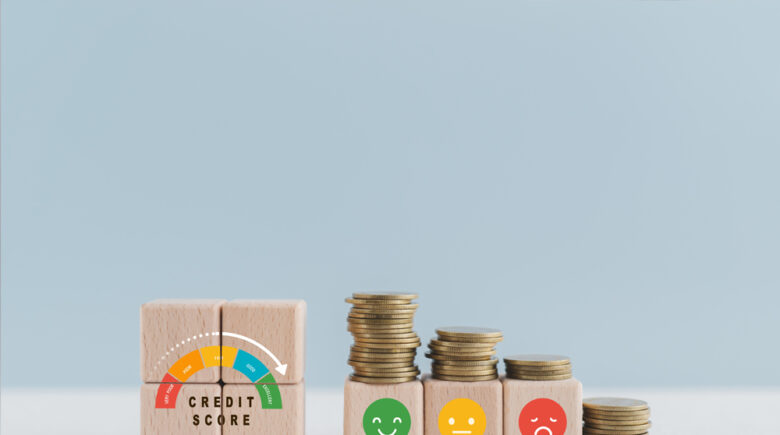
Your credit score feels like a mystery number that controls your financial life. It determines your mortgage rate, your car loan terms, and sometimes even your job prospects. Yet most people don’t truly understand what moves it. The truth is, credit scores respond to specific behaviors — some obvious, some surprisingly subtle.
If you’re a millennial navigating student loans, building wealth, or eyeing homeownership, understanding these mechanics isn’t optional. It’s essential. Let’s break down what actually shifts that three-digit number and how small, consistent habits can make a massive difference over time.
The Hidden Factors That Shape Your Credit Score
Payment History: The 800-Pound Gorilla
Payment history accounts for roughly 35% of your FICO score. That makes it the single most influential factor. One missed payment can drop your score by 100 points or more, according to FICO data reported by NerdWallet. The damage also lingers for up to seven years on your credit report.
Here’s what many people miss: it’s not just loan payments that matter. Utility bills, medical debt, and even library fines can end up in collections. Once a collections account hits your report, it drags your score down fast. The Consumer Financial Protection Bureau has pushed for changes in medical debt reporting, but vigilance still matters.
Set up autopay for at least the minimum on every account. This single action eliminates the biggest risk to your score. Think of it as financial insurance. It costs nothing and protects everything.
Credit Utilization: The Ratio That Quietly Rules
Credit utilization — how much of your available credit you’re using — makes up about 30% of your score. Most experts recommend keeping it below 30%. Staying under 10% is even better. This ratio resets monthly, so it responds quickly to changes.
Many millennials make the mistake of closing old credit cards. That reduces your total available credit. Your utilization ratio jumps even if your spending stays the same. A card with a zero balance still helps your score by keeping that ratio low.
Fintech tools like Credit Karma and Mint now track utilization in real time. These apps send alerts when you approach risky thresholds. Digital tools have made managing this factor far easier than it was a decade ago.
Length of Credit History and Credit Mix
The age of your accounts matters more than people realize. It contributes about 15% of your score. Lenders want to see a long, stable track record. Closing your oldest card shortens your average account age.
Credit mix adds another 10%. FICO likes to see a blend of revolving credit (credit cards) and installment loans (auto loans, student loans, mortgages). You don’t need to take on debt just for variety. But having diverse account types signals responsible management.
The final 10% comes from new credit inquiries. Each hard inquiry can shave a few points off your score. Rate shopping for mortgages or auto loans within a 14-to-45-day window counts as a single inquiry, though. The scoring models account for comparison shopping.
Why Small Financial Habits Matter More Than You Think
The Compound Effect of Consistency
Big financial moves grab headlines. But small, boring habits build great credit scores. Paying your phone bill on time every month matters. Keeping a low balance on your oldest credit card matters. These actions compound over months and years.
Think of your credit score like a garden. As in – you don’t grow a healthy garden with one dramatic effort. You water it consistently, pulling weeds early. Credit works the same way! Regular, small actions outperform occasional heroic gestures every time.
A 2023 Experian report found that consumers who maintained consistent payment habits for 12 months saw average score increases of 30 to 50 points. That’s enough to shift you into a better loan tier. It could save you thousands in interest.
Digital Tools Are Changing the Game
Millennials have a genuine advantage here. The fintech revolution has democratized credit management. Apps like Experian Boost let you add utility and streaming payments to your credit file. This can lift your score almost instantly.
Buy Now, Pay Later (BNPL) services present a newer wrinkle. Some BNPL providers now report to credit bureaus. Timely BNPL payments can help your score. Missed ones can hurt it. The regulatory landscape around BNPL reporting is still evolving, as the CFPB noted in its 2023 guidance.
Digital banking platforms also offer free credit monitoring now. This wasn’t available ten years ago. You can catch errors, spot fraud, and track progress without paying a dime. Knowledge truly equals power in this arena.
Protecting Your Data in a Digital World
Your credit score depends on accurate data. Identity theft and reporting errors can devastate it. The FTC reported that one in four consumers found errors on their credit reports. Disputing those errors led to score increases for many of them.
- Check your credit reports from all three bureaus at least once a year through AnnualCreditReport.com.
- Freeze your credit if you’re not actively applying for new accounts. It’s free and blocks fraudulent applications.
Government initiatives have expanded consumer protections in recent years. Free weekly credit reports, once a pandemic-era perk, became permanent in 2023. Take advantage of this. Regularly reviewing your reports catches problems before they snowball.
Your credit score isn’t a static judgment. It’s a living reflection of your financial habits. Small, deliberate actions move the number more reliably than any quick fix. Stay consistent, leverage digital tools, and guard your data fiercely.
Your credit score isn’t some arbitrary grade handed down by faceless institutions. It’s a direct response to your financial behavior. The factors that move it — payment history, utilization, account age, credit mix, and inquiries — all respond to deliberate action. Millennials today have unprecedented access to free tools, real-time monitoring, and fintech innovations that previous generations never had. Use them. Start small. Pay on time. Keep balances low. Monitor your reports. These aren’t glamorous strategies, but they work. Over time, those small habits compound into a score that opens doors — to better rates, better housing, and genuine financial freedom.
References
- NerdWallet. “What Is a Good Credit Score?” https://www.nerdwallet.com/article/finance/what-is-a-good-credit-score
- Experian. “What Affects Your Credit Scores?” https://www.experian.com/blogs/ask-experian/credit-education/score-basics/what-affects-your-credit-scores/
- Consumer Financial Protection Bureau. “What Is a Credit Score?” https://www.consumerfinance.gov/ask-cfpb/what-is-a-credit-score-en-315/
Your credit score feels like a mystery number that controls your financial life. It determines your mortgage rate, your car loan terms, and sometimes even your job prospects. Yet most people don’t truly understand what moves it. The truth is, credit scores respond to specific behaviors — some obvious, some surprisingly subtle.
If you’re a millennial navigating student loans, building wealth, or eyeing homeownership, understanding these mechanics isn’t optional. It’s essential. Let’s break down what actually shifts that three-digit number and how small, consistent habits can make a massive difference over time.
The Hidden Factors That Shape Your Credit Score
Payment History: The 800-Pound Gorilla
Payment history accounts for roughly 35% of your FICO score. That makes it the single most influential factor. One missed payment can drop your score by 100 points or more, according to FICO data reported by NerdWallet. The damage also lingers for up to seven years on your credit report.
Here’s what many people miss: it’s not just loan payments that matter. Utility bills, medical debt, and even library fines can end up in collections. Once a collections account hits your report, it drags your score down fast. The Consumer Financial Protection Bureau has pushed for changes in medical debt reporting, but vigilance still matters.
Set up autopay for at least the minimum on every account. This single action eliminates the biggest risk to your score. Think of it as financial insurance. It costs nothing and protects everything.
Credit Utilization: The Ratio That Quietly Rules
Credit utilization — how much of your available credit you’re using — makes up about 30% of your score. Most experts recommend keeping it below 30%. Staying under 10% is even better. This ratio resets monthly, so it responds quickly to changes.
Many millennials make the mistake of closing old credit cards. That reduces your total available credit. Your utilization ratio jumps even if your spending stays the same. A card with a zero balance still helps your score by keeping that ratio low.
Fintech tools like Credit Karma and Mint now track utilization in real time. These apps send alerts when you approach risky thresholds. Digital tools have made managing this factor far easier than it was a decade ago.
Length of Credit History and Credit Mix
The age of your accounts matters more than people realize. It contributes about 15% of your score. Lenders want to see a long, stable track record. Closing your oldest card shortens your average account age.
Credit mix adds another 10%. FICO likes to see a blend of revolving credit (credit cards) and installment loans (auto loans, student loans, mortgages). You don’t need to take on debt just for variety. But having diverse account types signals responsible management.
The final 10% comes from new credit inquiries. Each hard inquiry can shave a few points off your score. Rate shopping for mortgages or auto loans within a 14-to-45-day window counts as a single inquiry, though. The scoring models account for comparison shopping.
Why Small Financial Habits Matter More Than You Think
The Compound Effect of Consistency
Big financial moves grab headlines. But small, boring habits build great credit scores. Paying your phone bill on time every month matters. Keeping a low balance on your oldest credit card matters. These actions compound over months and years.
Think of your credit score like a garden. As in – you don’t grow a healthy garden with one dramatic effort. You water it consistently, pulling weeds early. Credit works the same way! Regular, small actions outperform occasional heroic gestures every time.
A 2023 Experian report found that consumers who maintained consistent payment habits for 12 months saw average score increases of 30 to 50 points. That’s enough to shift you into a better loan tier. It could save you thousands in interest.
Digital Tools Are Changing the Game
Millennials have a genuine advantage here. The fintech revolution has democratized credit management. Apps like Experian Boost let you add utility and streaming payments to your credit file. This can lift your score almost instantly.
Buy Now, Pay Later (BNPL) services present a newer wrinkle. Some BNPL providers now report to credit bureaus. Timely BNPL payments can help your score. Missed ones can hurt it. The regulatory landscape around BNPL reporting is still evolving, as the CFPB noted in its 2023 guidance.
Digital banking platforms also offer free credit monitoring now. This wasn’t available ten years ago. You can catch errors, spot fraud, and track progress without paying a dime. Knowledge truly equals power in this arena.
Protecting Your Data in a Digital World
Your credit score depends on accurate data. Identity theft and reporting errors can devastate it. The FTC reported that one in four consumers found errors on their credit reports. Disputing those errors led to score increases for many of them.
- Check your credit reports from all three bureaus at least once a year through AnnualCreditReport.com.
- Freeze your credit if you’re not actively applying for new accounts. It’s free and blocks fraudulent applications.
Government initiatives have expanded consumer protections in recent years. Free weekly credit reports, once a pandemic-era perk, became permanent in 2023. Take advantage of this. Regularly reviewing your reports catches problems before they snowball.
Your credit score isn’t a static judgment. It’s a living reflection of your financial habits. Small, deliberate actions move the number more reliably than any quick fix. Stay consistent, leverage digital tools, and guard your data fiercely.
Your credit score isn’t some arbitrary grade handed down by faceless institutions. It’s a direct response to your financial behavior. The factors that move it — payment history, utilization, account age, credit mix, and inquiries — all respond to deliberate action. Millennials today have unprecedented access to free tools, real-time monitoring, and fintech innovations that previous generations never had. Use them. Start small. Pay on time. Keep balances low. Monitor your reports. These aren’t glamorous strategies, but they work. Over time, those small habits compound into a score that opens doors — to better rates, better housing, and genuine financial freedom.
References
- NerdWallet. “What Is a Good Credit Score?” https://www.nerdwallet.com/article/finance/what-is-a-good-credit-score
- Experian. “What Affects Your Credit Scores?” https://www.experian.com/blogs/ask-experian/credit-education/score-basics/what-affects-your-credit-scores/
- Consumer Financial Protection Bureau. “What Is a Credit Score?” https://www.consumerfinance.gov/ask-cfpb/what-is-a-credit-score-en-315/












 and how small, consistent habits can make a massive difference over time.
<br />
<b>Deprecated</b>: addslashes(): Passing null to parameter #1 ($string) of type string is deprecated in <b>/var/www/primerate.com/public/wp-content/themes/modo/single.php</b> on line <b>128</b><br />
' ,'https://primerate.com/wp-content/uploads/2026/02/Credit-Scores.jpg'))