 |
| | ⏱ 9 min read | | | Updated 2026-07-24 |
Fact-checked by the Prime Rate editorial team
What Is the Prime Rate? A Simple Guide from PrimeRate.com
Quick Answer
The prime rate is the benchmark interest rate banks charge their most creditworthy customers and currently stands at 6.75% -07-22. Banks set it based on the federal funds rate determined by the Federal Open Market Committee, which was 3.63% -06-01. This rate directly influences variable rates on credit cards, HELOCs, and loans for consumers and small businesses.
Updated 2026-07-24
The prime rate is a key benchmark in the U.S. financial system, currently reported at 6.75% by the Federal Reserve Bank of St. Louis-07-22. It represents the interest rate that banks charge their most creditworthy corporate customers and acts as a reference point for pricing variable-rate loans, credit cards, HELOCs, and small business financing.
Understanding how the prime rate connects to Federal Reserve policy matters because changes in this rate can directly increase or decrease the cost of borrowing for everyday consumers and small businesses. In this guide, you will learn what the prime rate is, how it is determined, its relationship to the federal funds rate, and practical ways it affects your credit cards, home equity lines, and other loans. This information is for educational purposes and is not financial advice.
Key Takeaways
- The current US bank prime loan rate is 6.75% -07-22, according to the Federal Reserve Bank of St. Louis.
- The prime rate is typically about 3 percentage points higher than the federal funds rate per the Board of Governors of the Federal Reserve System.
- The federal funds rate stood at 3.63% -06-01 from Federal Reserve Bank of St. Louis data.
- During 2022-2023, the federal funds rate was raised by roughly 5.25 percentage points according to Federal Reserve data.
- The bank prime rate can remain unchanged for extended periods, such as from December 2008 through December 2015 per historical FRED records.
In This Guide

What Is the Prime Rate?
Large corporations with excellent credit typically pay the prime rate, sometimes called the prime lending rate or prime interest rate. Banks then use this rate as a reference point for pricing many other products, including variable-rate credit cards, business loans, home equity lines of credit, and personal loans.
Here is an important distinction: the Federal Reserve does not officially set the prime rate. Instead, the prime rate is determined by individual banks based on the federal funds rate, their own funding costs, competition, and expectations for future Fed policy. In practice, though, large U.S. banks tend to move together. When the Fed changes its target, big banks typically announce a new prime rate the same day or within one to two business days. Two widely watched benchmarks keep everyone on the same page: The Wall Street Journal publishes a consensus prime rate based on a survey of roughly 30 major banks. When about three-quarters of them adjust, the WSJ updates its figure. The Federal Reserve Board’s H.15 “Selected Interest Rates” release also reports a bank prime loan rate, reflecting what the majority of the 25 largest commercial banks are charging. If you see terms like “reference rate” or “prime lending rate” in your loan documents, they are almost always referred to as the same underlying benchmark.
The prime rate adjusts within days or weeks after most federal funds rate changes, according to FRED historical data.
How the Prime Rate Relates to the Federal Funds Rate
Although the federal funds rate and the prime rate move in lockstep, they are not the same thing and are set in different ways. The federal funds rate is the interest rate banks charge each other for overnight loans of reserves held at the Federal Reserve. The Federal Open Market Committee sets the federal funds rate target to guide overall U.S. interest rates and credit conditions. The Federal Open Market Committee meets at least eight times a year to review economic data and determine whether to raise, lower, or hold that target. The prime rate is typically about 3 percentage points higher than the federal funds rate. For example, with the federal funds rate at 3.63%-06-01, the prime rate stood at 6.75%-07-22. Changes in the federal funds rate affect the prime rate directly-when the federal funds rate rises, the prime rate increases almost immediately. Banks are not legally required to adjust in lock-step, but historically a prime rate change has tracked every major Fed action almost one-for-one since the early 1990s. The federal funds rate influences banks’ lending rates to customers across virtually every product category. You can verify the current federal funds rate and bank prime loan rate on the Federal Reserve’s website through its H.15 release, then compare those figures with what your own bank is charging.
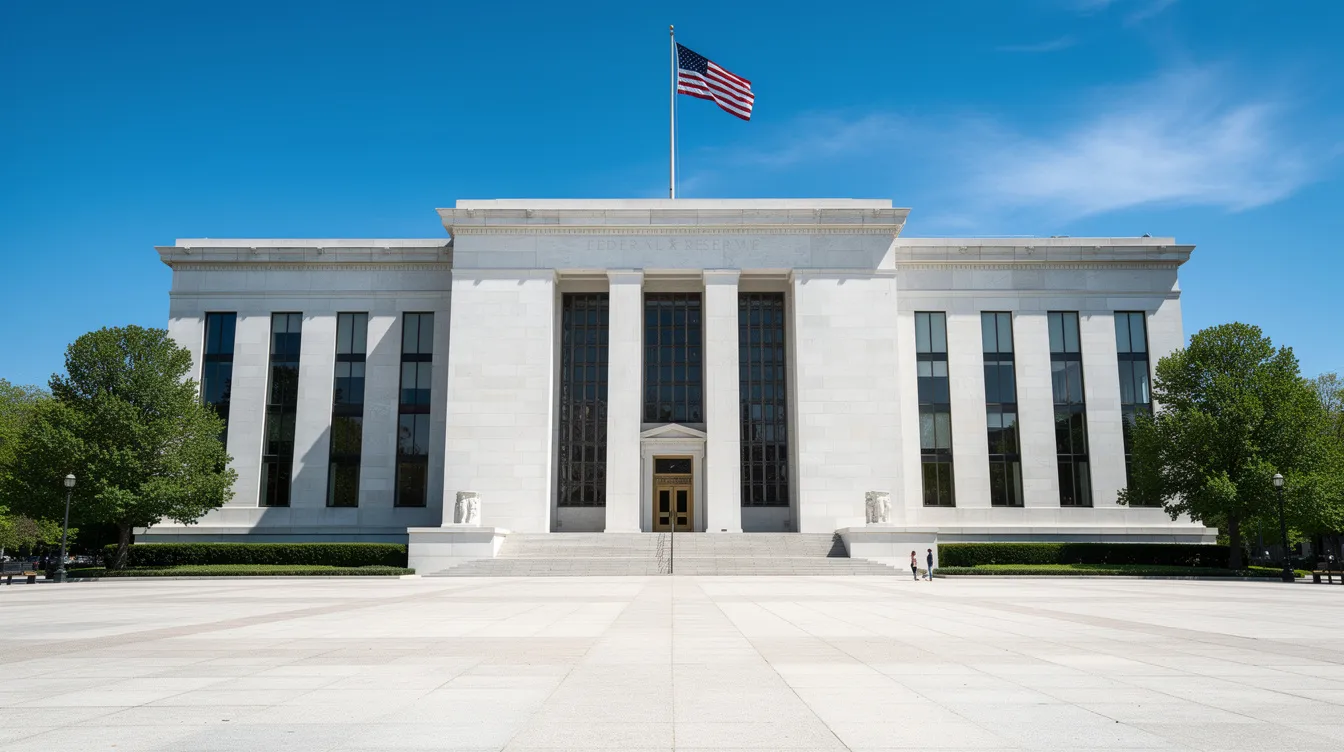
The US bank prime loan rate is 6.75% -07-22.
How the Prime Rate Affects Loans, Credit Cards, and Savings
Variable rates on many everyday financial products tie directly to the prime rate or feel its effects indirectly. Credit cards often have variable interest rates tied to the prime rate. A typical card might charge “prime + 12%,” so if prime moves from 6.75% to 7.50%, your APR climbs from 18.75% to 19.50%-a meaningful jump on revolving balances.
|
Product Type |
Link to Prime |
What Happens When Prime Moves |
|---|---|---|
|
Variable-rate credit cards |
APR = prime + margin |
Monthly interest charges rise or fall |
|
HELOCs |
Usually prime + X% |
Payments adjust, sometimes monthly |
|
Small business loans (variable) |
Often prime-based |
Cash flow costs change each cycle |
|
Adjustable-rate mortgages (ARMs) |
May be tied to prime |
Monthly mortgage payments shift |
|
30-year fixed-rate mortgages & auto loans |
Set at origination |
Existing loans not impacted |
|
Savings accounts & CDs |
Indirect |
Yields tend to rise in higher-rate environments |
Home equity lines of credit are typically variable-rate loans linked to the prime rate, so changes in the prime rate affect variable-rate loans like HELOCs directly. The same logic applies to many business lines of credit. Fixed-rate loans are not impacted by changes in the prime rate after origination. However, new fixed-rate offers from lenders get more expensive when prime and other money market rates are elevated. Deposit products such as savings accounts and CDs are not formally pegged to prime, but banks tend to offer higher yields to attract deposits when the overall rate environment climbs. The prime rate also serves as a benchmark for small business loans, making it a critical number for small businesses to watch when planning capital expenditures or managing working capital. If you carry variable-rate debt, periodically review your accounts, compare offers for personal and business loans or balance-transfer credit cards, and consider consolidating or refinancing when rate conditions turn favorable.

The three percentage point spread over the federal funds rate has been a consistent convention for decades.
What Causes Prime Rate Changes?
Broader shifts in monetary policy, inflation, and economic growth drive prime rate changes rather than random decisions by individual banks. The Federal Reserve raises its federal funds rate target when inflation is running above its 2% goal or the labor market is very tight. Economic growth and inflation can influence changes in the prime rate because banks respond by raising their own base rate, signaling tighter financial conditions across the economy.
Rising prime rates increase borrowing costs for consumers and businesses. Demand for big-ticket purchases-homes, cars, equipment-tends to slow. Higher prime rates can slow down economic growth by limiting borrowing, which is exactly the effect the Fed is aiming for when it tightens policy. An increase in the prime rate raises loan rates for consumers across many product types. When prime falls, the opposite happens. Lower borrowing costs encourage spending and investment, helping pull the economy out of a slowdown. A concrete example: during 2022–2023, persistently high inflation led the FOMC to raise the federal funds rate roughly 5.25 percentage points across about 11 steps. Banks responded with a series of matching prime rate changes, pushing prime from around 3.25% to approximately 8.50%. Changes in the prime rate affect interest rates on loans and credit cards almost immediately for anyone holding variable-rate debt. You cannot control the prime rate, but understanding why it moves helps you anticipate shifts in borrowing costs and the broader interest-rate environment. While increases in the prime rate raise costs for borrowers, they can also lead to higher interest earnings on savings accounts and certificates of deposit.
Use FRED data series to independently verify prime rate history instead of relying solely on media reports.
How to Prepare for Prime Rate Changes
Although the prime rate lies beyond individual control, you can take action to reduce its impact on your finances. Identify your exposure by reviewing every loan and credit card account to determine which ones are tied to the prime rate or another variable benchmark. Focus on HELOCs, variable-rate business loans, and revolving credit card balances-these are the accounts most quickly affected when rates change. In a rising rate environment, pay down high-interest credit card debt as aggressively as possible, explore fixed-rate personal loans for debt consolidation, and compare offers from multiple lenders using pre-qualification tools that let you shop without hurting your credit score.
When rates fall, contact your existing lenders to ask about a lower interest rate or better terms, consider refinancing variable-rate balances to lock in savings, and shop for new personal or business financing while rates are relatively low. Protect your credit health by maintaining a strong credit score, low credit-utilization ratio, and on-time payment history to qualify for margins closer to prime. Stay informed by following Federal Reserve announcements, tracking prime rate change history, and using online calculators to estimate how a 0.25% or 0.50% move might affect your monthly payments. Even small changes compound quickly across multiple accounts over the course of a year.

Frequently Asked Questions
Can the Federal Reserve set the prime rate directly?
No. The Federal Reserve does not publish or legally fix the prime rate. However, its Federal Open Market Committee sets the federal funds rate target, which strongly influences how banks determine their own prime. When financial news reports say “the Fed raised interest rates,” they are usually referring to a change in the federal funds rate that will likely trigger a matching prime rate change by major banks within the same business day.
Does every bank use a different prime rate?
Technically, each bank can set its own prime rate. In reality, the majority of large financial institutions post the same figure. The Wall Street Journal’s published prime rate has become the de facto national benchmark. Smaller banks and credit unions often reference the WSJ prime rate in their loan agreements rather than maintaining a separate internal number.
How often does the prime rate change?
There is no fixed schedule. Changes usually occur shortly after the Fed adjusts the federal funds rate target, which typically happens at the eight regularly scheduled FOMC meetings each year or at occasional emergency sessions. In calm periods, the prime rate can remain unchanged for many months-it held at 3.25% from December 2008 through December 2015. During active tightening or easing cycles, it may move several times within a single year.
What is the difference between prime rate and APR on my credit card?
The prime rate is a market benchmark. Your credit card APR is usually “prime + a margin” based on the card’s pricing and your individual credit profile. Even if the prime rate is relatively low, a borrower with weaker credit may still pay a high APR because the lender adds a larger margin above prime to compensate for perceived risk. Two cardholders at the same bank can have very different rates.
Where can I see today’s prime rate and compare loan options?
You can find the current U.S. bank prime loan rate on the Federal Reserve’s H.15 release or the Wall Street Journal’s market data pages. After checking the current benchmark, visit PrimeRate.com to compare pre-qualified offers for personal loans, business loans, and credit cards. Pre-qualification helps you find competitive rates relative to prime without impacting your credit score-so you can learn what you qualify for before you commit.
Sources
- Federal Reserve Bank of St. Louis, US Bank Prime Loan Rate
- Federal Reserve Bank of St. Louis, The bank prime loan rate is the rate posted by a majority of top 25 insured U.S.-chartered commercial banks
- Board of Governors of the Federal Reserve System, Prime rates are set by banks but move in response to changes in the federal funds rate determined by the FOMC
- Federal Reserve Bank of St. Louis, FRED Data on Prime Rate Historical Trends
- Federal Reserve, Federal Open Market Committee Policy Decisions
- Federal Reserve Bank of St. Louis, Bank Prime Loan Rate as Reference Rate
- Federal Reserve Bank of St. Louis, Verification of Prime Rate Stability Periods